Your users
Identify the people who will use the app and the situations in which they need it.

Turn a useful idea into a clear product plan. MediaPlus Digital designs and develops iOS, Android and cross-platform apps around your users, workflows and business requirements.
Share your idea, intended users and the task your app should make easier.
Before choosing a platform, clarify who the app serves and what it needs to help them do.
Identify the people who will use the app and the situations in which they need it.
Define the essential task: buying, booking, accessing information or completing a business workflow.
Prioritise a manageable feature set, with clear acceptance criteria and later enhancements separated.
Agree on the platform, functionality and delivery responsibilities before the build begins.
Discuss a native iOS build using Swift where Apple-specific requirements or device features support the brief.
Scope a native Android build using Kotlin around the required device capabilities and supported Android versions.
Assess Flutter or React Native for a shared approach across iOS and Android. Validate integrations and platform-specific needs before choosing.
Map navigation and user journeys, then review wireframes and prototypes before moving into development.
Define the APIs, account access, administration and external systems the app needs, with dependencies made clear.
Plan bug fixes, compatibility updates and future enhancements as an agreed support scope after release.
Neither approach is automatically right for every project. Review the experience, integrations and long-term maintenance needs.
Choose after reviewing the required features and dependencies. Avoid assuming a fixed cost saving or performance difference without assessing the actual project.
Publisher-provided App Store screenshots offer a useful reference for mobile journeys and screen layouts. Grab is a third-party app, not a MediaPlus project or client case study.
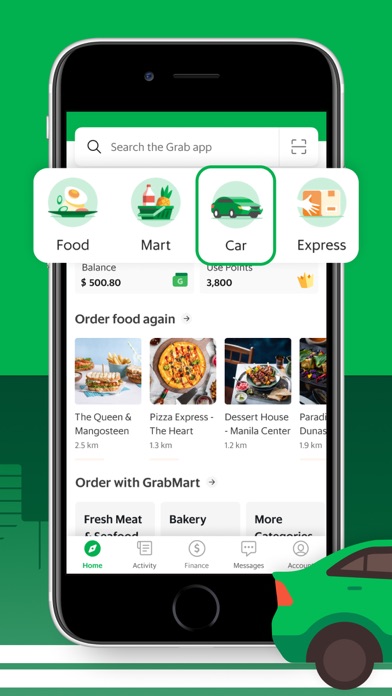
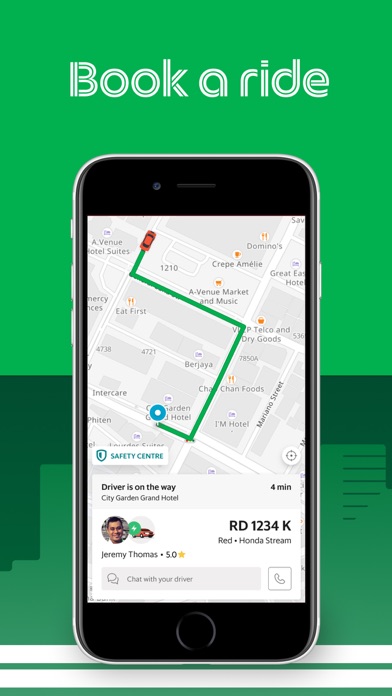
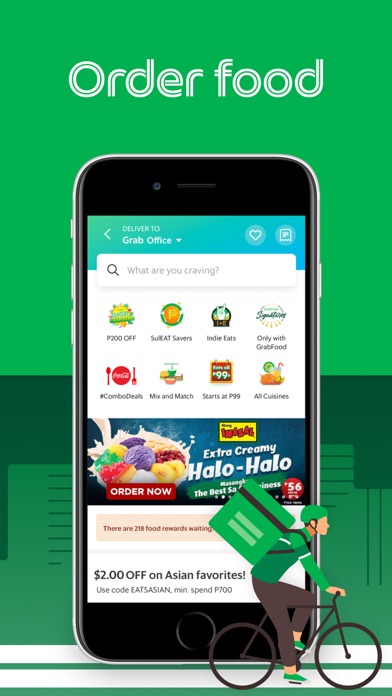

Use the brief to define real workflows, rather than starting with a long feature list.
Browse products, manage a cart and complete a purchase, with payment-provider requirements assessed in scope.
Check availability, make a booking and receive relevant updates. Define the staff or admin workflow too.
Give field or office teams access to the information and tasks they need, with appropriate roles and permissions.
Clear requirements and review points help everyone make better decisions.

Agree on the primary journey, content, data requirements and approval process. Review what is included in the first release and what belongs in a later phase.
MediaPlus team photo. Not an app screenshot or a mobile-app case study.
Review progress at agreed milestones and define what is needed to move to the next stage.
Map users, goals, workflows and integration requirements. Agree on priorities and acceptance criteria.
Review screen flows, wireframes and visual design. Resolve important usability questions before development.
Develop the agreed functionality and test key journeys across supported devices and operating-system versions.
Prepare agreed store submission materials, coordinate release and provide the defined handover and support arrangements.
A usable app also needs dependable operations and a clear ownership model.
The scope depends on platforms, features, integrations, design and operational requirements. Hosting, store accounts and ongoing support should be clarified separately. Share your brief for a tailored proposal; detailed pricing is not listed here.
Timing depends on complexity, content readiness, dependencies, approvals and testing. Establish milestones after reviewing the requirements; store review time is an external dependency.
A focused first release can help test the core idea before expanding. Define a complete, useful journey rather than removing essential reliability or usability work.
Share the systems and available API documentation. Compatibility, access, data flows and any third-party work need to be reviewed before confirming the integration scope.
Submission preparation and review support can be included in the project scope. Approval and review timing remain with the store operators.
Ownership, repository access, design-file handover and third-party licence terms should be explicit in the contract. Confirm the deliverables and account arrangements before development.
Confirm the support period, issue handling and ongoing maintenance scope in the proposal. Separate bug fixes from new features and account for operating-system and dependency updates.
Consider usage frequency, device capabilities, distribution and the task users need to complete. A website may be sufficient for some requirements; an app should have a clear reason to be installed and used.
Tell us about your intended users, essential features, current systems and target launch. We will discuss a practical starting point.