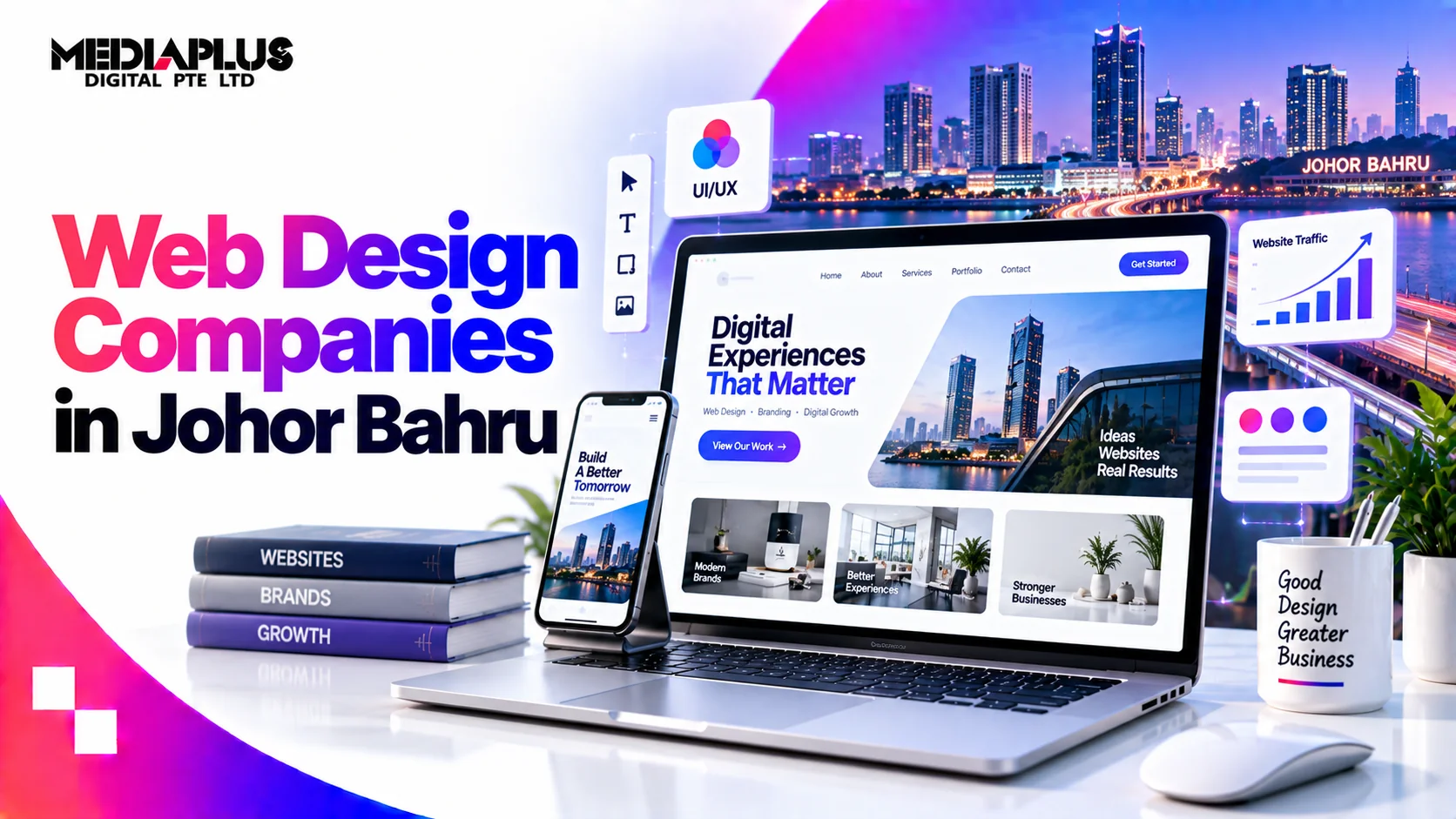
Ecommerce website development is the process of designing, building, and optimizing an online store that allows customers to browse products, complete secure transactions, and interact seamlessly with a brand. In today’s digital-first economy, a well-developed ecommerce website is no longer optional. It is a core business asset that directly impacts revenue, customer trust, and long-term growth.
With more than 27 million ecommerce websites globally and online retail competition increasing every year, businesses must go beyond basic templates. Successful ecommerce development focuses on performance, user experience, security, and scalability from day one.
What Is Ecommerce Website Development?
Ecommerce website development refers to creating the full technical and user-facing infrastructure of an online store. This includes both frontend and backend systems that work together to support the entire shopping journey.
A complete ecommerce website typically includes:
-
Product catalog and inventory management
-
Secure payment processing
-
Shopping cart and checkout flow
-
Customer accounts and order history
-
Shipping, tax, and fulfillment integration
-
Analytics and performance tracking
Unlike standard websites, ecommerce platforms must handle real-time transactions, sensitive customer data, and high traffic volumes without performance issues.
Why Ecommerce Website Development Matters
Poorly built ecommerce websites cost businesses money. Industry data shows that over 70% of online shopping carts are abandoned, often due to slow loading times, confusing checkout flows, or lack of trust signals.
Strong ecommerce development helps businesses:
-
Increase conversion rates through better UX
-
Reduce cart abandonment and friction
-
Improve site speed and mobile performance
-
Ensure PCI compliance and data security
-
Scale smoothly during traffic spikes and promotions
A website that looks good but fails technically will struggle to compete, regardless of marketing spend.
Core Components of a High-Performing Ecommerce Website
Frontend Development
This is the customer-facing side of the store. It includes layout, navigation, product pages, filters, and checkout design. Frontend development directly influences usability, trust, and conversions.
Backend Development
The backend handles order processing, inventory updates, customer data, and integrations with third-party systems such as payment gateways, ERPs, and CRMs.
Integrations
Modern ecommerce websites rely on integrations for payments, shipping, analytics, marketing automation, and customer support. A flexible integration setup is critical for long-term efficiency.
Common Approaches to Ecommerce Website Development
Businesses typically choose one of the following approaches:
-
Custom development for full control and complex requirements
-
SaaS platforms for faster launch and lower upfront cost
-
Headless or API-first architecture for omnichannel scalability
-
Hybrid models combining SaaS speed with custom flexibility
The right choice depends on business size, growth plans, technical resources, and customer expectations.
Key Features to Prioritize
A successful ecommerce website should be built with these priorities in mind:
-
Mobile-first responsive design
-
Fast page load speeds
-
SEO-friendly architecture
-
Multiple payment options
-
Secure checkout and PCI compliance
-
Clear product information and imagery
-
Scalable infrastructure for growth
According to Statista, mobile commerce is expected to account for nearly 50% of ecommerce sales, making mobile performance a non-negotiable requirement.
Ecommerce Website Development Is an Ongoing Process
Launching an ecommerce website is not the finish line. Continuous optimization is required to improve performance, adapt to customer behavior, and stay competitive.
Post-launch activities include:
-
Conversion rate optimization
-
UX improvements based on analytics
-
Security updates and monitoring
-
Feature enhancements and integrations
-
Performance tuning and scalability planning
Businesses that invest in long-term development consistently outperform those that treat ecommerce as a one-time project.
Final Thoughts
Ecommerce website development is the foundation of any successful online business. It brings together technology, user experience, security, and commercial strategy into a single system designed to sell at scale and adapt as the market evolves.
Whether you are launching a new online store or upgrading an existing platform, working with an experienced partner makes a measurable difference. MediaPlus Digital Malaysia provides a full eCommerce website development service focused on performance, scalability, and conversion, not just visual design. Their approach ensures ecommerce platforms are built to support real business goals, integrate seamlessly with marketing channels, and grow alongside your brand in a competitive digital landscape.