28 Powerful Small Business SEO Tips and Strategies for Malaysia (2025)

In today’s digital-first economy, having a strong online presence is no longer optional for Malaysian small businesses — it’s essential. According to Ahrefs, 68% of online experiences begin with a search engine, and in Malaysia, over 90% of users rely on Google to find local products and services. Mastering Search Engine Optimization (SEO) can be the difference between standing out and staying invisible in an increasingly competitive online marketplace.

This comprehensive guide covers 28 powerful SEO tips tailored specifically for small businesses in Malaysia. Whether you’re just starting out or looking to enhance your existing SEO strategy, these actionable insights will help you rank higher on Google, attract local customers, and grow your business sustainably online.

Why SEO Matters for Malaysian Small Businesses

Before diving into the strategies, let’s understand why SEO is critical for SMEs in Malaysia:

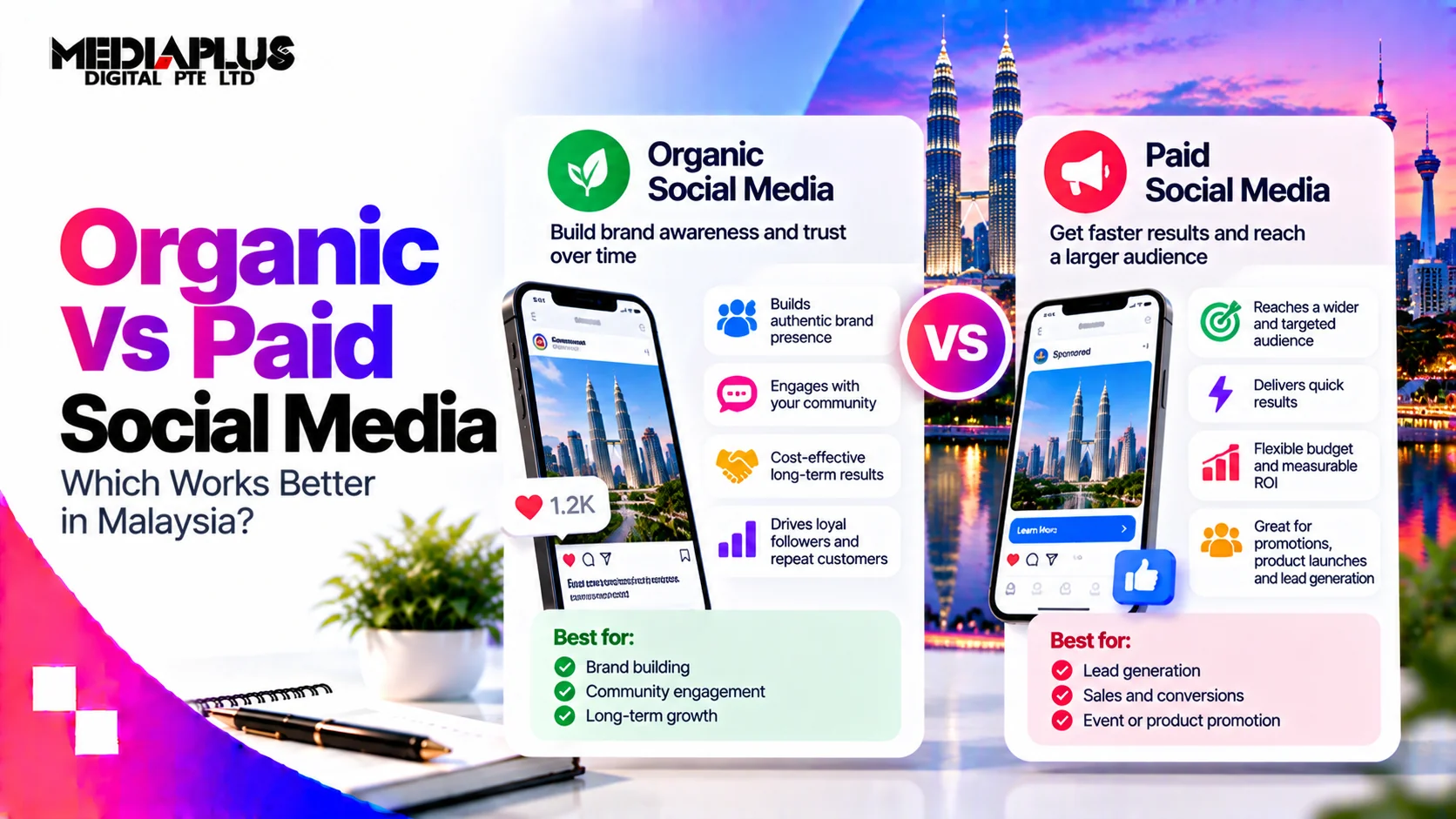
Organic Traffic Dominance: SEO drives over 1,000% more traffic than organic social media.
High-Quality Leads: 60% of marketers say inbound methods like SEO generate their best leads.
Higher Conversion Rates: SEO leads close at 14.6%, much higher than traditional marketing.
Cost-Effective Growth: Unlike paid ads, SEO continues to deliver value long after initial investment.

In Malaysia’s SME-driven economy, SEO isn’t just marketing — it’s a long-term growth engine.

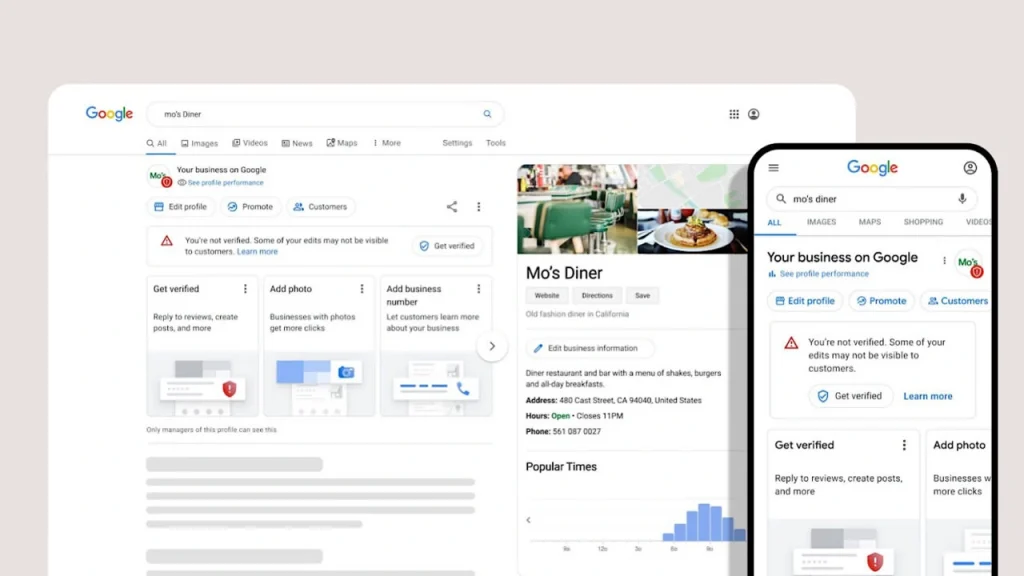
1. Optimize Your Google Business Profile (GBP)

For local businesses in Malaysia, your Google Business Profile is often the first touchpoint with potential customers.

To optimize it effectively:

  • Claim and verify your profile

  • Ensure your business name, address, and phone number (NAP) are accurate

  • Add high-quality photos and short videos

  • Encourage customer reviews and respond promptly

  • Post regular updates about promotions or new services

A complete and active GBP boosts your chances of appearing in Google’s Local Pack — the top 3 map results that dominate local searches like “best café in Kuala Lumpur” or “SEO agency in Penang.”

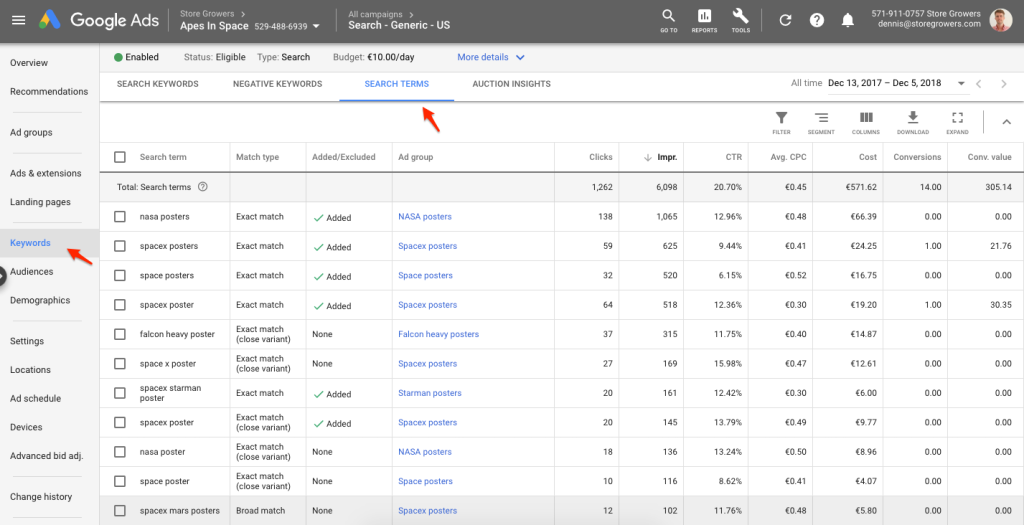
2. Conduct Strategic Keyword Research

Keyword research is the backbone of any SEO strategy. Use tools like Google Keyword Planner, Ahrefs, or Ubersuggest Malaysia to identify search terms relevant to your audience.

Focus on:

  • Local keywords (e.g. “web design company Malaysia,” “accounting services in Petaling Jaya”)

  • Long-tail keywords with clear intent

  • Malay-English mix if your target market uses bilingual search terms

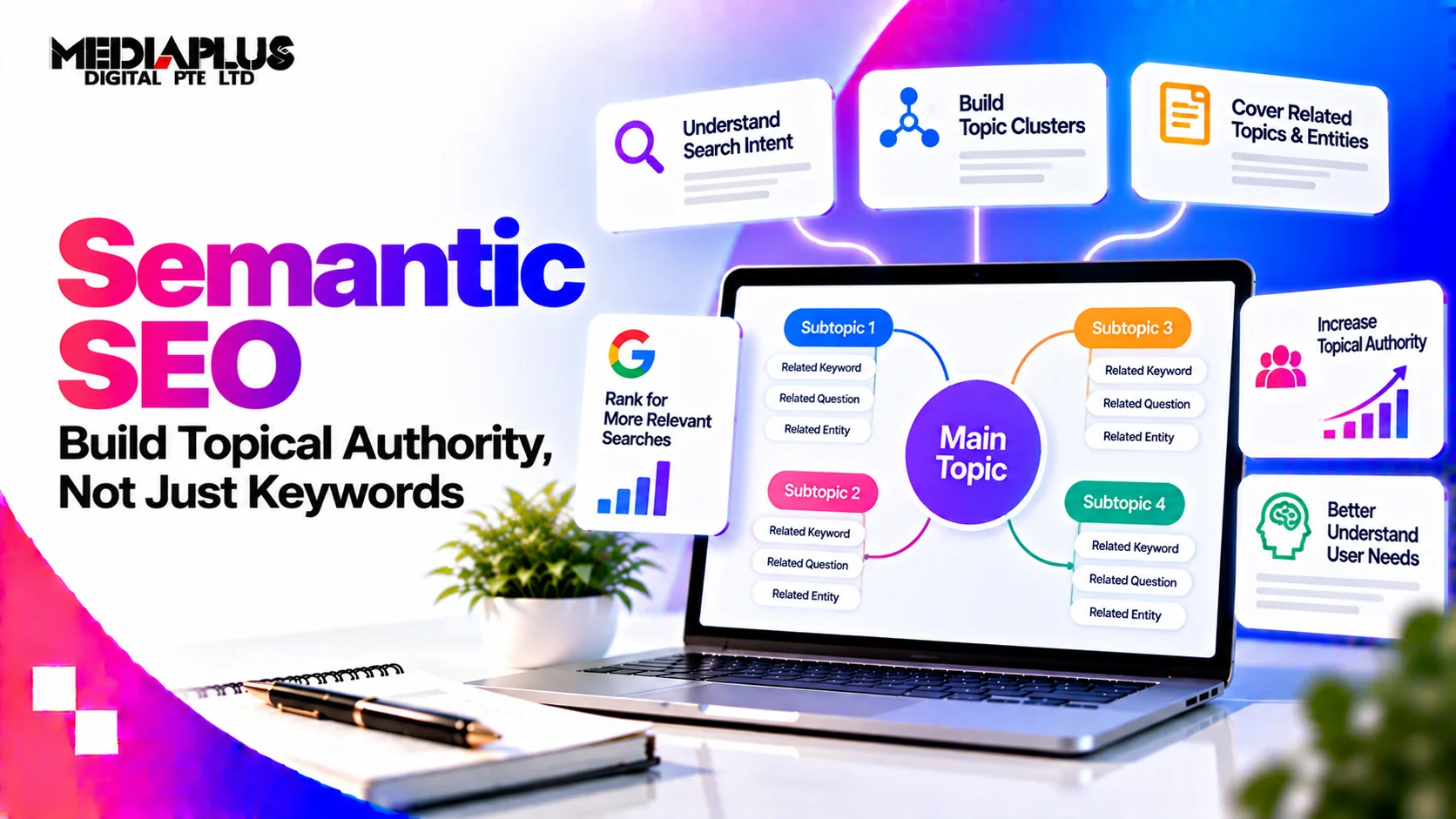
Understanding user intent — whether informational, navigational, or transactional — helps tailor your content effectively.

3. Create High-Quality, Relevant Content

Quality content attracts both users and search engines. In Malaysia’s multilingual market, localized content can give you a competitive edge.

To create impactful content:

  • Address questions your customers actually ask

  • Incorporate relevant Malaysian examples and trends

  • Use visuals like infographics and local imagery

  • Update old content regularly

Consider bilingual or culturally relevant content, especially if your audience includes both English and Malay speakers.

4. Optimize On-Page SEO Elements

On-page SEO tells Google what your page is about. Focus on:

  • Title tags: Include your main keyword (e.g. “Affordable SEO Services in Malaysia”)

  • Meta descriptions: Keep them under 160 characters, with a clear call to action

  • Headers: Use H1, H2, and H3 tags logically

  • URLs: Keep short, keyword-focused, and descriptive

  • Image alt text: Include keywords naturally

Plugins like Yoast SEO or Rank Math make this easy even if you’re not technical.

5. Improve Website Loading Speed

Slow websites lose visitors. In Malaysia, where mobile data speeds vary, speed optimization is vital.

Improve performance by:

  • Compressing images

  • Using CDNs (like Cloudflare)

  • Enabling caching

  • Minimizing CSS/JS files

  • Upgrading your hosting provider if needed

Use Google PageSpeed Insights to identify issues. Aim for under 3 seconds loading time.

6. Ensure Mobile-Friendliness

More than half of Malaysia’s web traffic comes from mobile. Make sure your website:

  • Uses responsive design

  • Has readable text without zooming

  • Has large, tappable buttons

  • Avoids pop-ups that block content

Run Google’s Mobile-Friendly Test to confirm your site meets mobile standards.

7. Implement Schema Markup

Schema markup helps Google display rich results like FAQs, reviews, or events. For Malaysian businesses, useful schema types include:

  • Local Business

  • Review

  • Product

  • FAQ

  • Event

You can add schema via plugins or manually. Use Google’s Rich Results Test to verify implementation.

8. Build High-Quality Backlinks

Backlinks from reputable sites signal trust. Focus on:

  • Guest posting on Malaysian business or industry blogs

  • Getting featured in local news outlets (e.g., The Star, Vulcan Post)

  • Collaborating with industry associations

  • Partnering with complementary businesses

Avoid buying low-quality links — they can hurt your rankings.

9. Optimize for Local SEO

Local SEO helps you appear in searches like “plumber near me” or “best bakery in Subang Jaya.”

Key tactics:

  • Consistent NAP across directories (Google, Yelp, Yellow Pages, etc.)

  • Location pages for each branch

  • Collect and manage reviews actively

  • Use local schema markup

Create content around Malaysian events or holidays (e.g., “Hari Raya promotions” or “Chinese New Year gift ideas”) to boost local visibility.

10. Leverage Social Media for Visibility

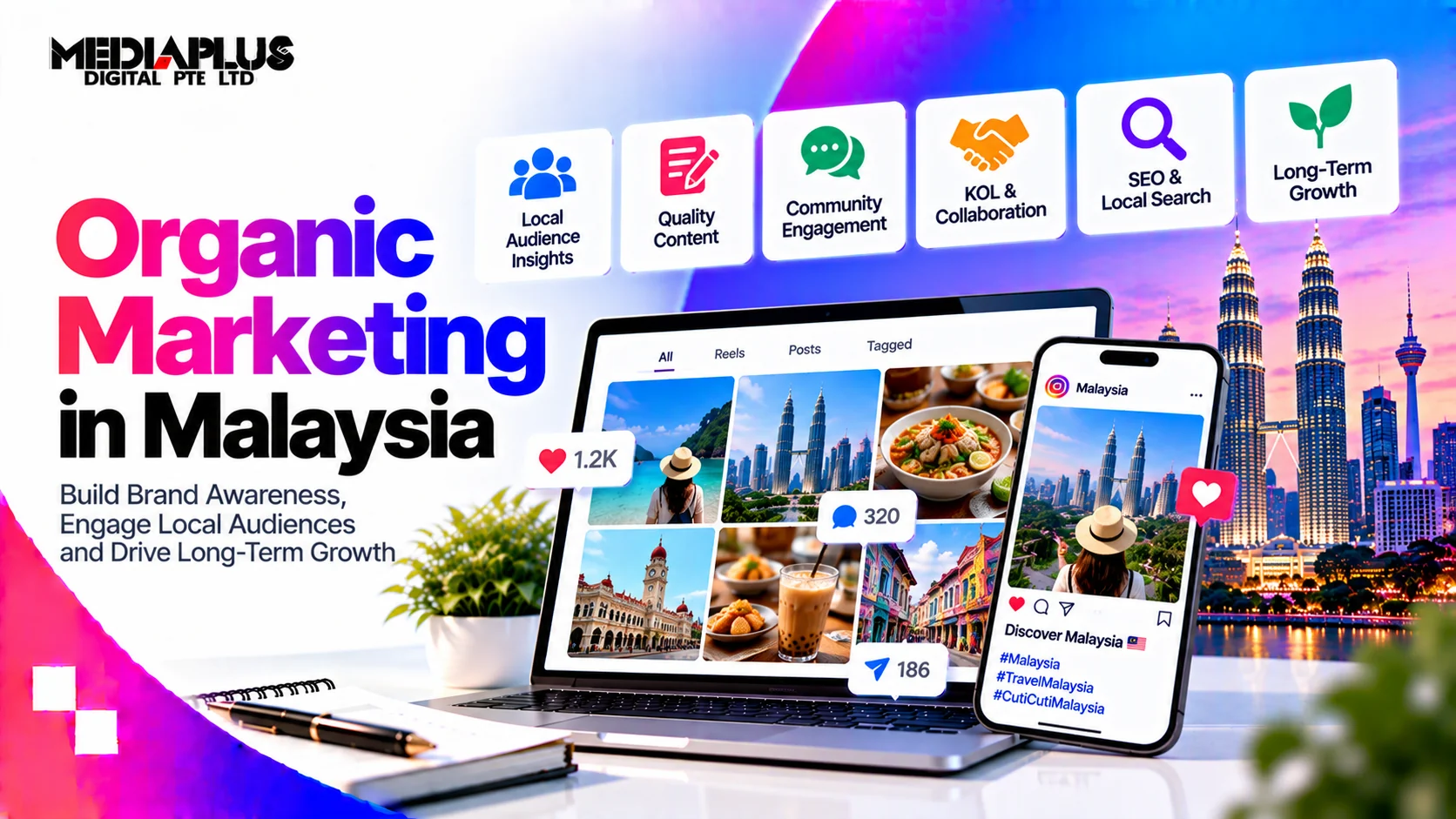
While social signals don’t directly affect rankings, an active social presence improves brand recognition and engagement.

Share your content on Facebook, Instagram, TikTok, and LinkedIn, and encourage followers to visit your website.

Use social listening tools to monitor conversations about your brand and identify influencer partnerships.

11. Create a Simple Google Site (if Needed)

For small Malaysian businesses without a website, Google’s free Business Profile site builder is a quick way to get online. It’s not a replacement for a full website, but it helps your business appear in search results and Google Maps.

12. Strengthen Internal Linking

Link your pages together naturally:

  • Use descriptive anchor text

  • Link related blog posts

  • Highlight key service pages

A well-structured internal linking system helps both users and search engines navigate your site effectively.

13. Optimize for Voice Search

Voice search usage is growing in Malaysia, especially in urban areas. Optimize for it by:

  • Targeting conversational keywords

  • Creating FAQ pages

  • Using local keywords (“near me” searches)

  • Structuring answers clearly for featured snippets

Tools like AnswerThePublic can help you discover voice-based queries.

14. Submit an XML Sitemap

A sitemap ensures Google finds all your pages. Generate one via Yoast SEO or Rank Math, and submit it in Google Search Console.

Check regularly to ensure new pages are indexed quickly.

15. Monitor SEO Performance Regularly

Track your SEO progress with:

  • Google Analytics 4 for traffic

  • Search Console for impressions and keywords

  • Ahrefs or Ubersuggest for backlinks

Analyze what’s working and refine your strategy every month.

16. Optimize for Core Web Vitals

Google’s Core Web Vitals measure site performance and user experience:

  • LCP: How fast your largest content loads

  • FID: How quickly users can interact

  • CLS: How stable your page layout is

Use PageSpeed Insights to find and fix performance issues.

17. Invest in Video Content

Video is booming in Malaysia. YouTube and TikTok dominate local online engagement. Create:

  • Explainer or tutorial videos

  • Product showcases

  • Customer testimonials

Upload to YouTube and embed on your website for better SEO visibility.

18. Secure Your Site with HTTPS

A secure site builds trust and improves ranking. If you haven’t already, install an SSL certificate and ensure all pages redirect from HTTP to HTTPS.

19. Target Long-Tail Keywords

Long-tail keywords like “affordable accounting firm in Shah Alam” may have lower search volume but higher conversion.

They’re easier to rank for and match real user intent — ideal for small businesses with niche offerings.

20. Aim for Featured Snippets

Featured snippets can put your business at the top of Google results. To win them:

  • Answer common questions concisely

  • Use structured lists or tables

  • Include FAQs in your content

Search what’s already ranking and craft more detailed, direct responses.

21. Encourage User-Generated Content

User-generated content (UGC) like reviews or testimonials helps with SEO and credibility.

Ask happy customers to leave Google reviews, share experiences, or tag your brand on social media. Showcase this content on your site to boost freshness and engagement.

22. Maintain a Regular Blog

Blogging boosts traffic, rankings, and trust. Post at least 1–2 times per month on topics like:

  • Industry tips

  • Local trends

  • How-to guides related to your services

Use your blog to target secondary keywords and long-tail variations naturally.

23. Optimize Your Images

Images impact both design and SEO. To optimize:

  • Compress without losing quality

  • Use descriptive file names (e.g. seo-services-malaysia.jpg)

  • Add keyword-rich alt text

  • Use WebP format for faster loading

24. Use Google Search Console Effectively

Google Search Console is essential for:

  • Submitting sitemaps

  • Fixing crawl errors

  • Tracking keyword performance

  • Monitoring mobile usability

Set up email alerts to catch issues early.

25. Create a Strong Site Structure

Make sure every important page is easy to find — ideally within 3 clicks from your homepage.

Organize pages by topic and importance, and ensure your navigation is user-friendly. This improves both UX and crawl efficiency.

26. Focus on E-A-T (Expertise, Authoritativeness, Trustworthiness)

Google values trustworthy sites, especially for financial, legal, and health topics. Build E-A-T by:

  • Showcasing expert bios

  • Citing credible sources

  • Keeping contact details visible

  • Getting reviews and media mentions

27. Use Canonical Tags to Prevent Duplicates

Duplicate content can hurt rankings. Use canonical tags to tell Google which version of a page to prioritize, especially for product listings or blog archives.

28. Stay Updated on SEO Trends

SEO evolves constantly. Stay current by following reputable sources like Ahrefs Blog, Search Engine Journal, and Neil Patel.

Join Malaysian marketing communities or attend MDEC and SME Digitalisation Grant webinars to keep your strategy up to date.

Conclusion

Implementing these 28 SEO strategies can transform your small business’s digital performance in Malaysia. Remember — SEO is a long-term investment, not a quick fix. Stay consistent, track results, and keep improving.

If you’re ready to elevate your website and SEO together, consider partnering with a professional SEO Company in Malaysia. such as MediaPlus Digital. With expert guidance, your business can achieve higher rankings, more traffic, and stronger online growth.

Start optimizing today and watch your small business climb the search results in 2025.

Share it :

Popular Categories

Newsletter

Get free tips and resources right in your inbox, along with 10,000+ others