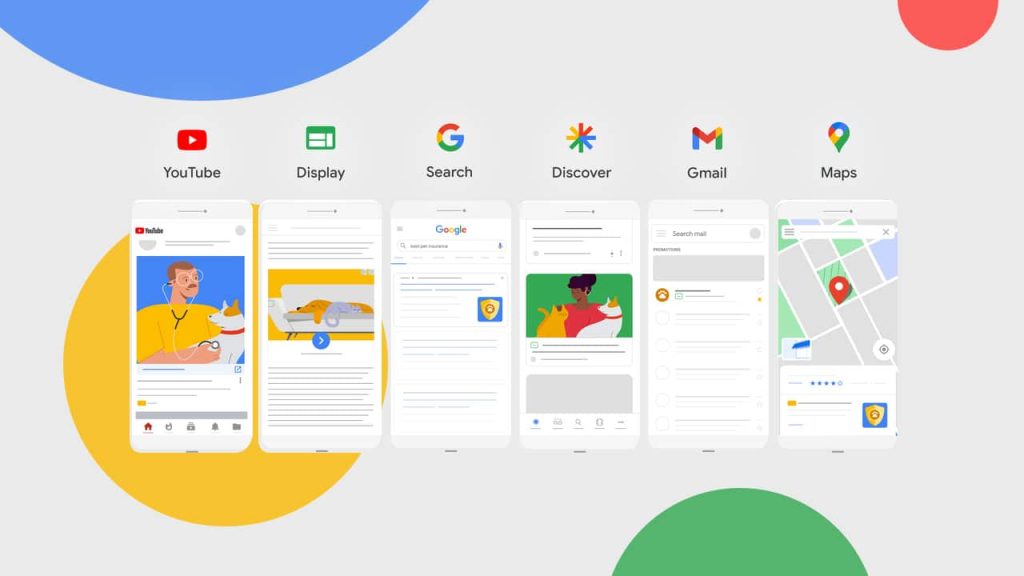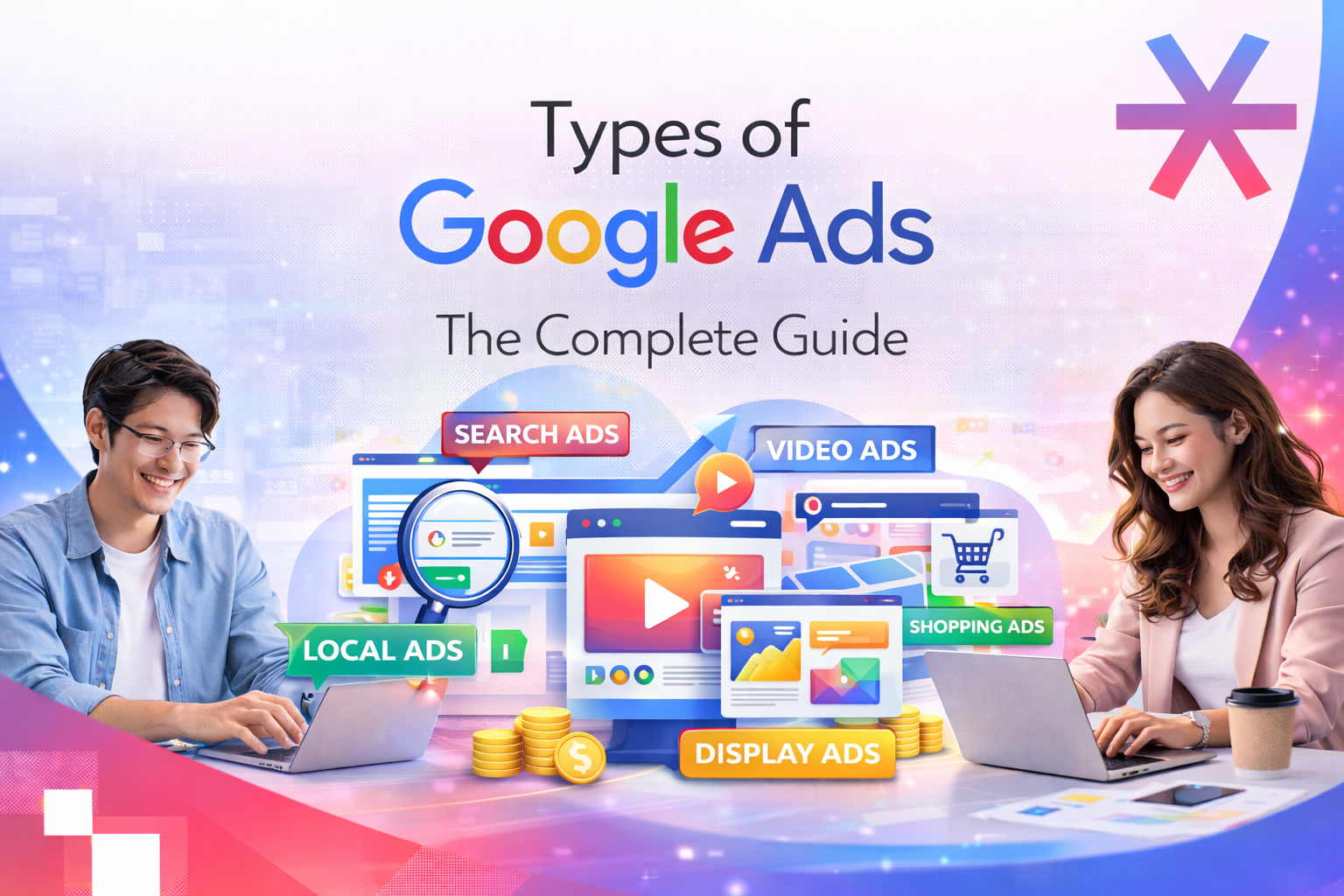
Google Ads is one of the most powerful advertising platforms in the world, reaching billions of users across Search, YouTube, Maps, Gmail and millions of partner websites. Whether you want leads, online sales, app installs or brand visibility, Google offers different ad formats designed for specific goals.
To help you choose the right one, here’s a breakdown of the main types of Google Ads, how they work and when to use each.
1. Search Ads
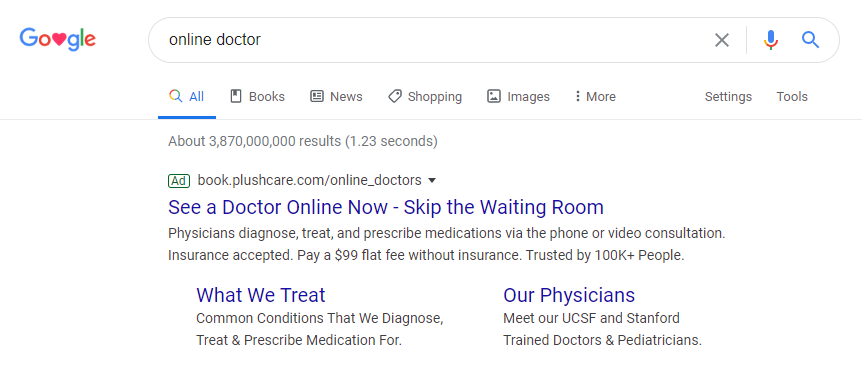
Where they appear: At the top and bottom of Google Search results.
Best for: Capturing high intent users who are actively searching for products or services.
Why they work: Search ads appear at the exact moment someone types a keyword that matches your offer. Since over 93 percent of online experiences begin with a search engine, this format gives you direct access to users ready to take action.
Strengths:
-
Keyword targeting allows precise control of user intent
-
Strong conversion potential
-
Ideal for service providers, B2B companies and lead generation
-
Works well for competitive industries where organic ranking takes longer
Useful stats:
-
65 percent of users click on Google ads when they are looking to buy something
-
Search ads often deliver the highest conversion rate across Google ad formats
-
For high competition industries, CPC can rise significantly (average category = $$$)
Use Search ads when your audience already knows what they want and is actively searching for it.
2. Display Ads
Where they appear: Google’s Display Network (GDN), which includes websites, apps, blogs and YouTube.
Best for: Brand awareness, remarketing and reaching new audiences.
Why they work: With over 35 million websites and apps in the Google Display Network, this format allows brands to stay visible across the internet, even when users are not actively searching.
Strengths:
-
Massive reach
-
Lower cost than Search
-
Excellent for retargeting past visitors
-
Supports image and rich media ads
Useful stats:
-
Display remarketing ads can increase conversions by up to 70 percent
-
Display campaigns cost around 70 percent less than Search ads on average
Display ads are ideal when your goal is brand visibility, awareness and repeated exposure.
3. Shopping Ads
Where they appear: Google Shopping, Search, Images, Maps and partner platforms.
Best for: Ecommerce brands selling physical products.
Why they work: Shopping ads show product images, prices, star ratings and stock status directly in search results. This visual format attracts users who already have strong buying intent.
Strengths:
-
High quality traffic from ready-to-buy users
-
Auto-generated using product data from Merchant Center
-
Works well for large product catalogs
Useful stats:
-
Shopping ads account for over 60 percent of all Google retail ad clicks
-
They have up to 30 percent higher conversion rates compared to text-based Search ads
-
Average CPC remains low at $0.50–$0.90 ($)
Perfect for ecommerce brands looking to scale sales efficiently.
4. Video Ads
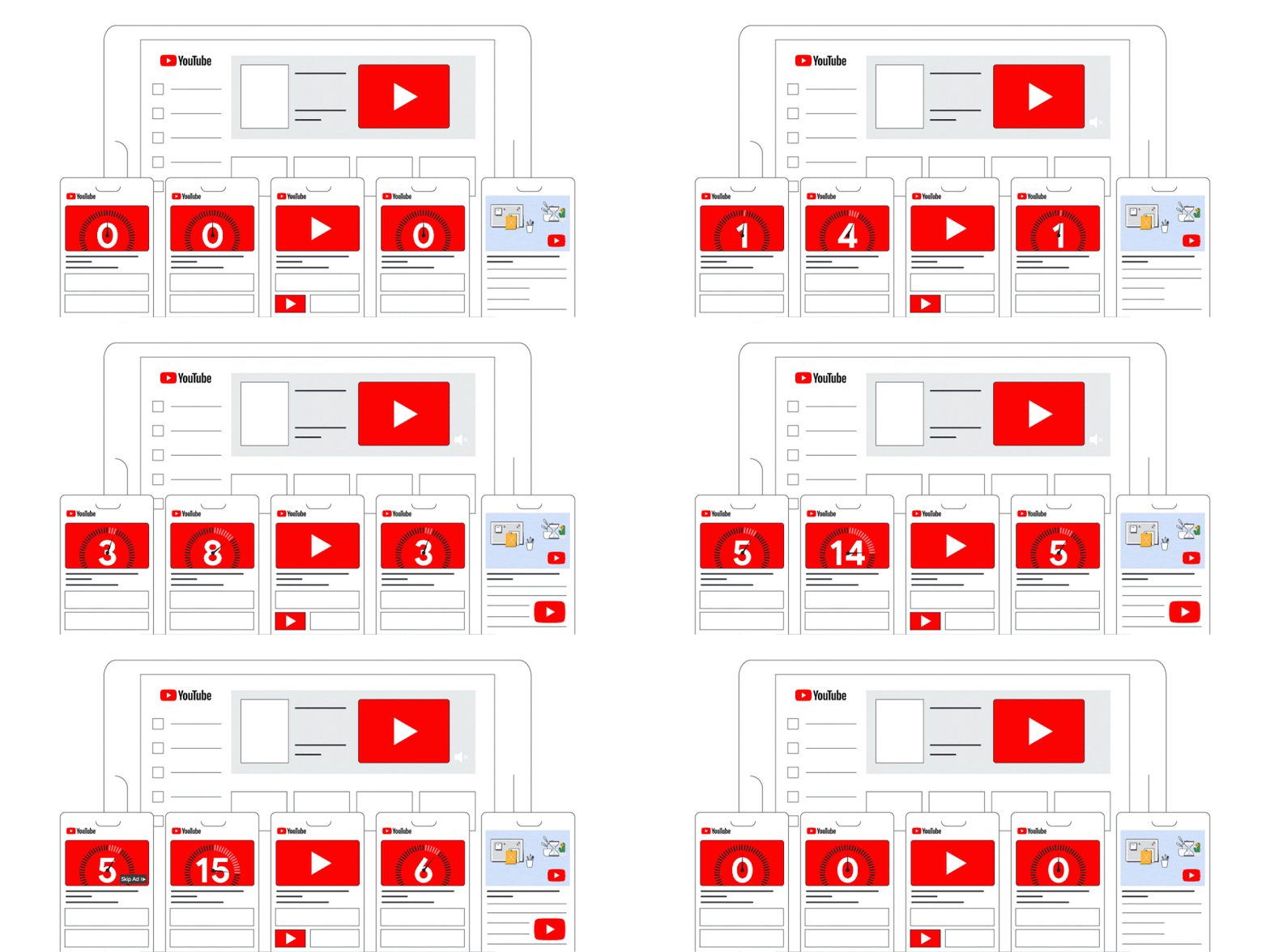
Where they appear: YouTube and Google video partner sites.
Best for: Brand storytelling, product demos and awareness campaigns.
Why they work: YouTube is the second largest search engine after Google, with over 2.7 billion monthly active users. Video ads tap into this massive audience with dynamic, emotional storytelling.
Strengths:
-
Extremely cost-effective
-
Multiple formats: skippable, non-skippable, bumper, in-feed
-
Ideal for showcasing product value visually
Useful stats:
-
Viewers retain 95 percent of a video message vs. 10 percent for text
-
YouTube ads often cost as low as $0.05 per view ($)
-
Over 70 percent of users say video helps them decide what to buy
Use video ads when visuals and emotions help explain your product better.
5. App Ads
Where they appear: Google Play, Google Search, YouTube, Discover, Display Network.
Best for: Driving app installs and re-engagement.
Why they work: Google automatically generates your ads using assets from your app store listing. This allows wide distribution with minimal setup.
Strengths:
-
Covers every major Google channel
-
Targets both new and existing users
-
Easy to launch and manage
Useful stats:
-
App ads on Google can increase installs by up to 140 percent when optimized
-
Average CPI ranges between $1.50–$4.00 depending on the region ($$$)
Use App Ads when your main goal is driving installs or in-app engagement.
6. Discovery Ads
Where they appear: Google Discover, YouTube Home, YouTube Watch Next, Gmail Promotions tab.
Best for: Reaching users who are browsing and close to purchasing.
Why they work: Discovery ads rely on Google AI to target audiences based on intent signals. These visuals blend naturally into content feeds where users are already engaged.
Strengths:
-
High conversion potential from ready-to-buy users
-
Strong visuals
-
Wide distribution across premium placements
Useful stats:
-
Discovery ads can produce up to 3 times more conversions compared to standard Display
-
Cost is usually lower than Search ads ($)
Discovery ads are ideal for ecommerce, lifestyle brands and visually driven products.
7. Local Services Ads
Where they appear: Google Search and Google Maps.
Best for: Local businesses (cleaning, repairs, plumbing, home services, clinics, real estate etc.)
Why they work: These ads appear at the very top of search results and allow users to call, message or book directly. You pay only for qualified leads, not clicks.
Strengths:
-
Premium placement
-
Google Screened or Google Guaranteed badges build trust
-
Lead-focused billing model
Useful stats:
-
Local searches lead to a purchase 28 percent of the time within 24 hours
-
Businesses can reduce acquisition costs by up to 30 percent using Local Services ads
If your business serves a physical area, this format delivers some of the highest quality leads.
8. Performance Max Ads (PMax)
Where they appear: All Google channels (Search, Shopping, Display, YouTube, Discover, Gmail, Maps).
Best for: Businesses wanting automated, full-funnel advertising.
Why they work: Google AI uses your creative assets and conversion goals to deliver optimized ads everywhere. This maximizes visibility and results across the entire network.
Strengths:
-
Maximum reach
-
AI-driven optimization
-
Great for lead generation and ecommerce
-
Consolidates all ad formats into one campaign
Useful stats:
-
PMax campaigns can increase conversions by 20–30 percent on average
-
Many ecommerce brands report ROAS improvements of 15–25 percent
-
Highest cost bracket ($$$$) due to multi-channel scope
Use Performance Max when you want full automation and powerful omnichannel targeting.
9. Smart Ads
Where they appear: Google Search, Maps, YouTube, Gmail, Google partner sites.
Best for: Small businesses wanting simple goal-focused campaigns.
Why they work: Smart ads automate targeting, bidding and formats. You set the goal and budget, and Google manages the rest.
Strengths:
-
Easy to set up
-
Cross-channel visibility
-
Ideal for beginners
Useful stats:
-
Smart campaigns reduce setup time by up to 80 percent
-
Average CPC typically falls into the mid-range ($$$)
Smart ads are good for business owners who want results without complex management.
Quick Comparison Table: Types of Google Ads
| Ad Type | Best For | Placement | Cost Level |
|---|---|---|---|
| Search Ads | Lead generation, intent traffic | Google SERP | $$$ |
| Display Ads | Awareness, retargeting | Websites, apps | $$ |
| Shopping Ads | Ecommerce sales | SERP, Shopping, Images | $ |
| Video Ads | Branding, storytelling | YouTube | $ |
| App Ads | Install campaigns | Search, YouTube, Play Store | $$$ |
| Discovery Ads | Product discovery | Discover, Gmail, YouTube | $ |
| Local Services Ads | Local leads | SERP, Maps | $$$ |
| Performance Max | All-in-one conversions | All channels | $$$$ |
| Smart Ads | Simple campaign setup | Multiple channels | $$$ |
Which Google Ads Type Should You Use?
The right Google Ads format depends on what you want to achieve. Each campaign type serves a different stage of the customer journey, and choosing the right mix can significantly improve your ROI.
If your goal is leads:
-
Search ads
-
Local Services ads
-
Performance Max
If your goal is sales:
-
Shopping ads
-
Performance Max
-
Discovery ads
If your goal is brand awareness:
-
Display ads
-
Video ads
If your goal is app downloads:
-
App ads
If your goal is remarketing:
-
Display ads
-
Discovery ads
Most businesses use a combination of formats to cover the entire funnel, from awareness to conversion.
This is where a professional Google Ads service becomes valuable. MediaPlus Digital helps brands evaluate which campaign types align with their goals, develop full-funnel ad strategies and optimise performance over time. Their team manages keyword planning, creative development, audience targeting and continuous optimisation so every ad spend delivers measurable impact.
If you want clarity on which Google Ads format will work best for your business, MediaPlus Digital can guide you and build a tailored strategy that fits your industry, budget and growth targets.