In today’s always-connected world, people no longer discover brands through a single channel. They search on Google, scroll through social media, watch videos, read reviews, and compare options before making a decision. This shift in consumer behaviour is exactly why digital marketing has become essential for modern businesses.
Digital marketing refers to the use of online channels, platforms, and technologies to promote products, services, and brands. Unlike traditional marketing, it allows businesses to reach the right audience at the right time, track performance in real time, and continuously optimise results based on data.
From search engines and websites to social media, email, and paid advertising, digital marketing connects brands with customers throughout the entire buying journey. Understanding what digital marketing is, and how its channels work together, is the foundation for building sustainable growth in a competitive digital landscape.
What Is Digital Marketing?
Digital marketing is how businesses promote products, services, and brands through digital channels such as websites, search engines, social media, email, and mobile platforms. Instead of relying on traditional media like print or TV, digital marketing meets audiences where they already spend most of their time: online.
As consumer behaviour continues to shift toward digital-first experiences, digital marketing has become a core growth driver for companies of all sizes. Today, over half of global shoppers make online purchases at least once a week, highlighting how critical digital touchpoints are in the buying journey.

How Digital Marketing Works
At its core, digital marketing connects businesses with their target audience using data, technology, and online platforms. Unlike traditional marketing, digital channels allow marketers to track user behaviour, measure performance in real time, and optimise campaigns continuously.
A typical digital marketing process includes:
-
Identifying target audiences based on behaviour, intent, and demographics
-
Selecting the right digital channels to reach those audiences
-
Creating relevant content, ads, or experiences
-
Measuring results using clear performance metrics
-
Refining strategies based on data insights
This data-driven loop is what makes digital marketing both scalable and measurable.
Key Digital Marketing Channels
Digital marketing is not a single tactic. It is a combination of multiple channels working together across the customer journey.
1. Website Marketing
A website is the foundation of most digital marketing strategies. It acts as the central hub for content, traffic, and conversions.
An effective website should be:
-
Fast-loading and mobile-friendly
-
Easy to navigate
-
Optimised for search engines
-
Designed to convert visitors into leads or customers
2. Search Engine Optimization (SEO)
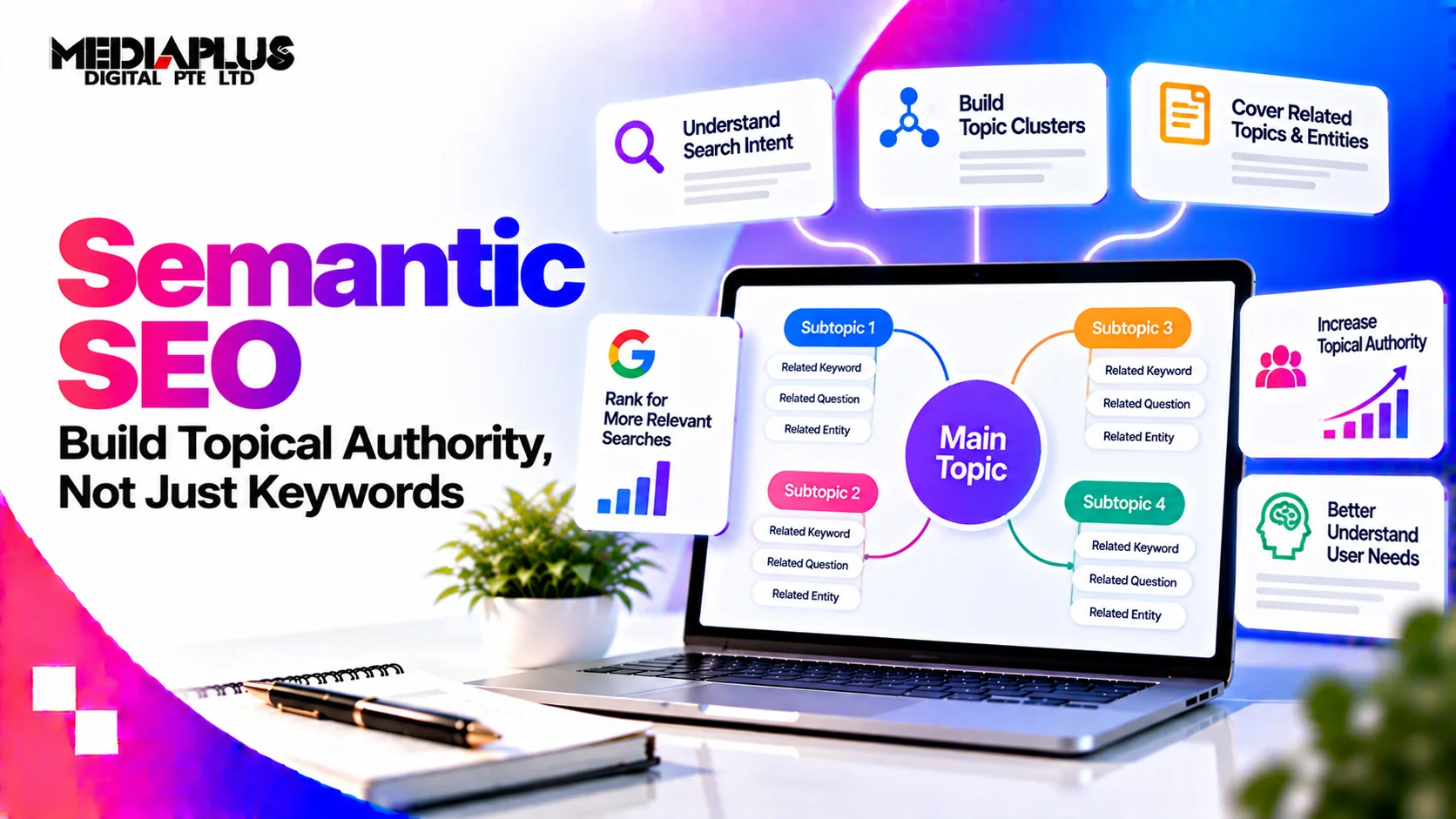
SEO focuses on improving a website’s visibility in organic search results. When users search for information, products, or solutions, SEO helps your content appear at the right moment.
SEO typically includes:
-
On-page optimisation such as keywords and content structure
-
Technical optimisation like page speed and indexing
-
Off-page signals such as backlinks and authority
Read more: What Is SEO and Its Role in Digital Marketing?
3. Search Engine Marketing (SEM) and PPC
SEM involves paid ads that appear on search engines when users actively search for specific keywords. Advertisers pay only when users click on their ads.
SEM is effective because nearly 70% of online experiences start with a search engine, making it a high-intent channel for demand capture
pasted.
4. Content Marketing
Content marketing uses valuable, educational, or entertaining content to attract and engage audiences. Instead of pushing promotions, content builds trust and authority over time.
Common formats include:
-
Blog articles
-
Guides and ebooks
-
Videos and podcasts
-
Infographics and newsletters
Studies show that content marketing is one of the most cost-effective digital strategies, with long-term compounding returns.
5. Social Media Marketing
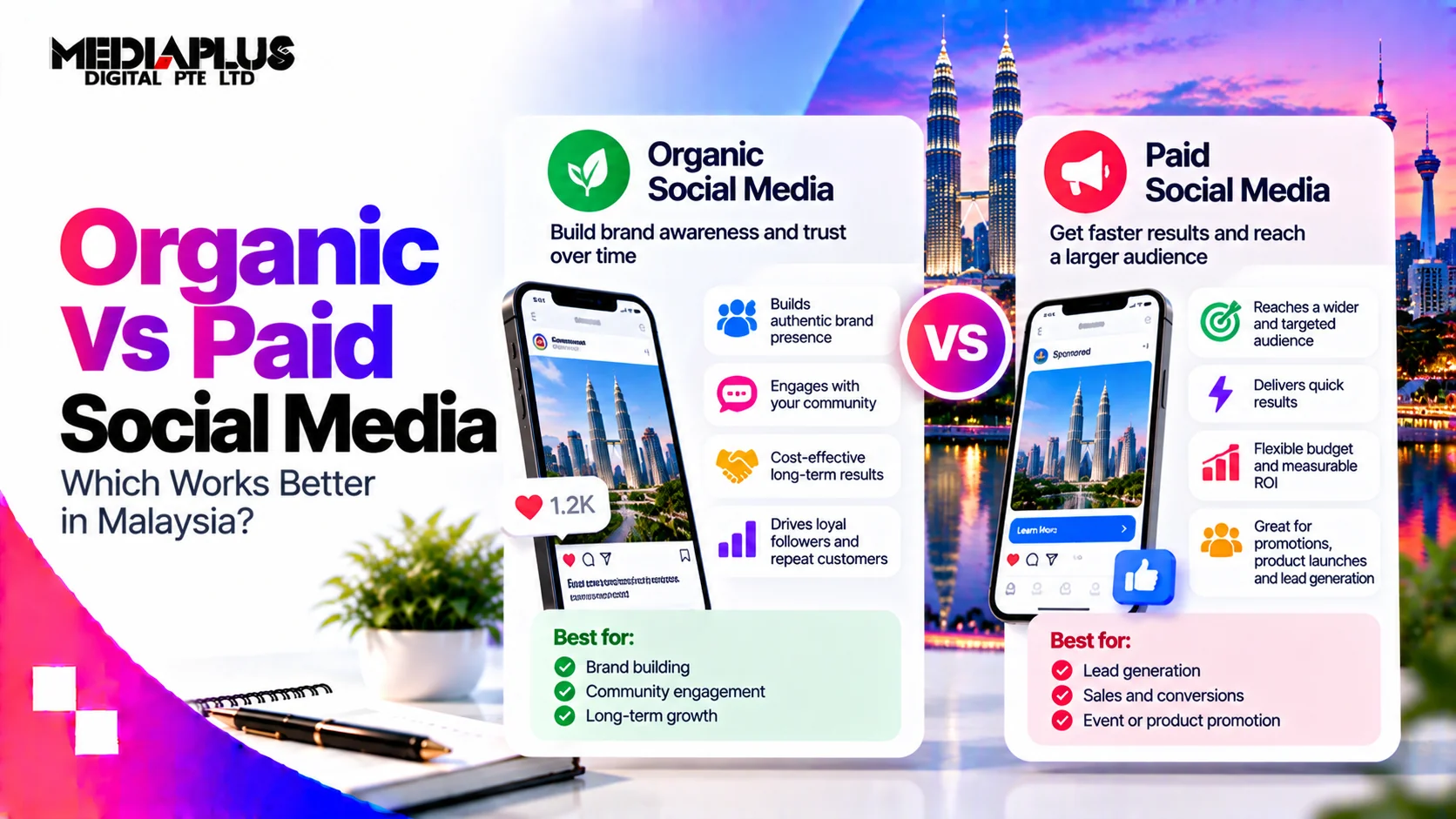
Social media marketing builds brand awareness, engagement, and trust through platforms where users spend hours each day.
It can support:
-
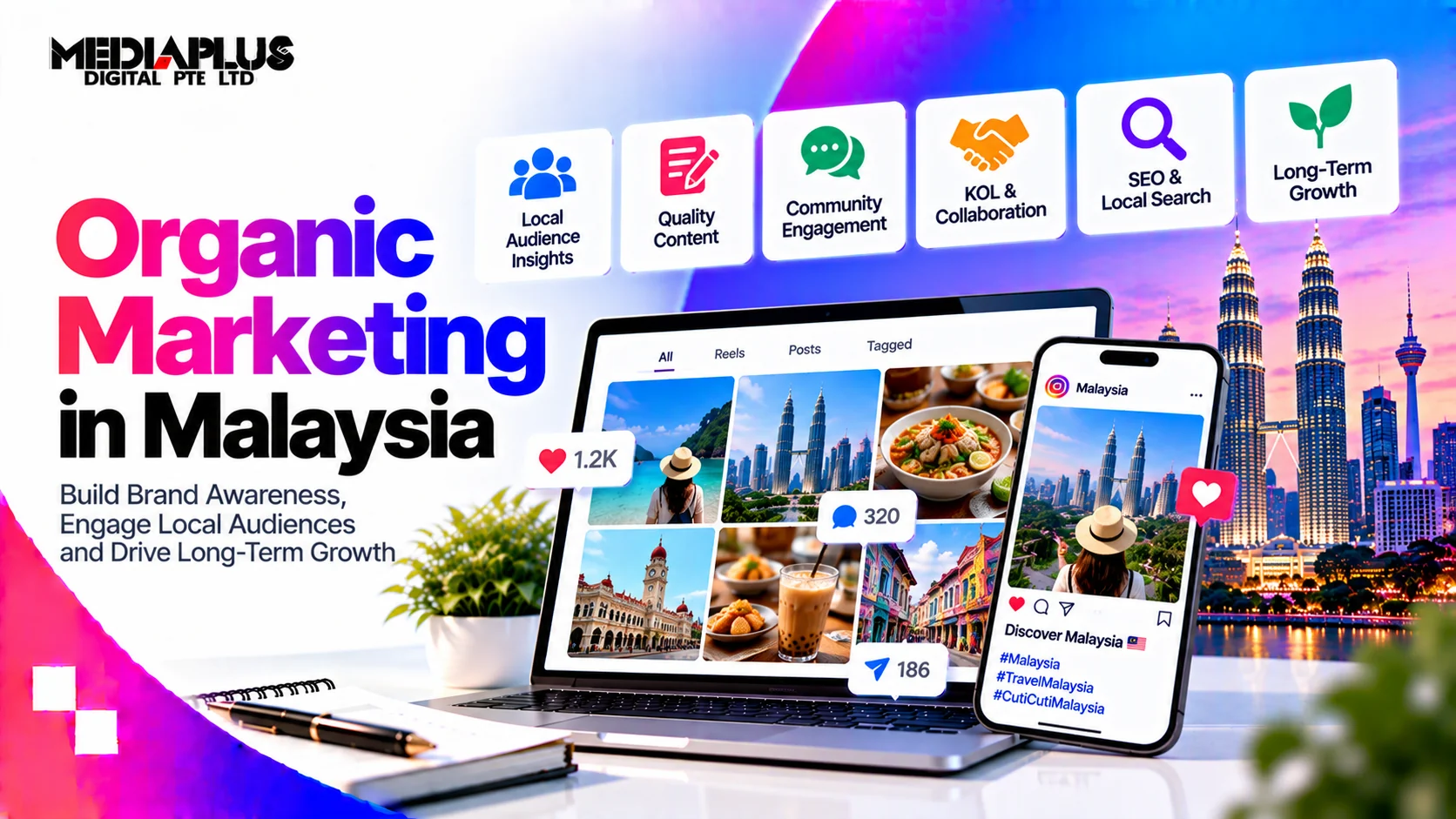
Organic community building
-
Paid advertising and retargeting
-
Customer feedback and social proof
Nearly 7 in 10 shoppers now use social platforms for product discovery or purchasing inspiration, reinforcing their role in modern digital marketing.
6. Email Marketing
Email remains one of the highest ROI digital marketing channels. It allows brands to communicate directly with users who have already shown interest.
Email marketing is commonly used for:
-
Lead nurturing
-
Product announcements
-
Retention and loyalty campaigns
-
Post-purchase follow-ups
7. Video Marketing
Video plays a growing role across search, social, and paid media. Platforms like YouTube, TikTok, and Instagram are often part of the decision-making process before a purchase.
Video works best when combined with SEO, content marketing, and social strategies.

Key Metrics Used in Digital Marketing
Digital marketing success is measured through clearly defined KPIs. These metrics help teams understand what is working and where improvements are needed.
Common digital marketing KPIs include:
-
Website traffic
-
Conversion rate
-
Click-through rate (CTR)
-
Engagement metrics such as time on site or social interactions
-
Cost per lead (CPL)
-
Return on investment (ROI)
Unlike traditional marketing, digital marketing allows continuous optimisation based on these metrics.
Benefits of Digital Marketing
Digital marketing offers several advantages over offline channels:
-
Wider reach without geographic limitations
-
Cost efficiency compared to print or broadcast media
-
Measurable results through analytics and attribution
-
Personalisation at scale using audience data
-
Multi-channel engagement across the full customer journey
Because of these benefits, digital marketing works equally well for both B2B and B2C businesses, despite differences in sales cycles and messaging strategies
Challenges in Digital Marketing
While powerful, digital marketing is not without challenges:
-
Constantly changing algorithms
-
Increasing competition across channels
-
Data privacy and compliance requirements
-
Difficulty attributing long-term ROI
-
Growing content saturation
Successful digital strategies require adaptability, testing, and ongoing optimisation.

What Does a Digital Marketing Agency Do?
A digital marketing agency helps businesses plan, execute, and optimise their online marketing efforts. This may include:
-
Strategy and channel planning
-
SEO and content development
-
Paid advertising management
-
Social media marketing
-
Analytics and performance tracking
Agencies support brands that want to scale faster or lack in-house expertise.
The Future of Digital Marketing
Digital marketing continues to evolve alongside technology and consumer expectations. Key trends shaping the future include:
-
AI-driven personalisation and automation
-
Voice and visual search optimisation
-
Short-form video and interactive content
-
Privacy-first data strategies
-
Omnichannel customer experiences
Brands that adapt early to these shifts are better positioned for long-term growth.
Final Thoughts
Digital marketing builds visibility, trust, and long-term brand authority. It helps businesses attract the right audience, engage them with relevant content, and convert attention into measurable results.
However, success does not come from using random tactics in isolation. High-performing brands rely on a structured digital marketing strategy that aligns channels, data, and goals across the full customer journey.
This is where working with an experienced digital marketing partner becomes valuable. A professional digital marketing service helps businesses connect strategy with execution, ensuring that SEO, content, paid media, social platforms, and analytics work together instead of competing for attention.
At MediaPlus Digital, digital marketing is approached holistically. Strategies are built around real business objectives, supported by data, and continuously optimised for performance and growth. Whether the goal is to increase visibility, generate leads, or scale revenue, a well-executed digital marketing strategy remains one of the most powerful tools for long-term success.