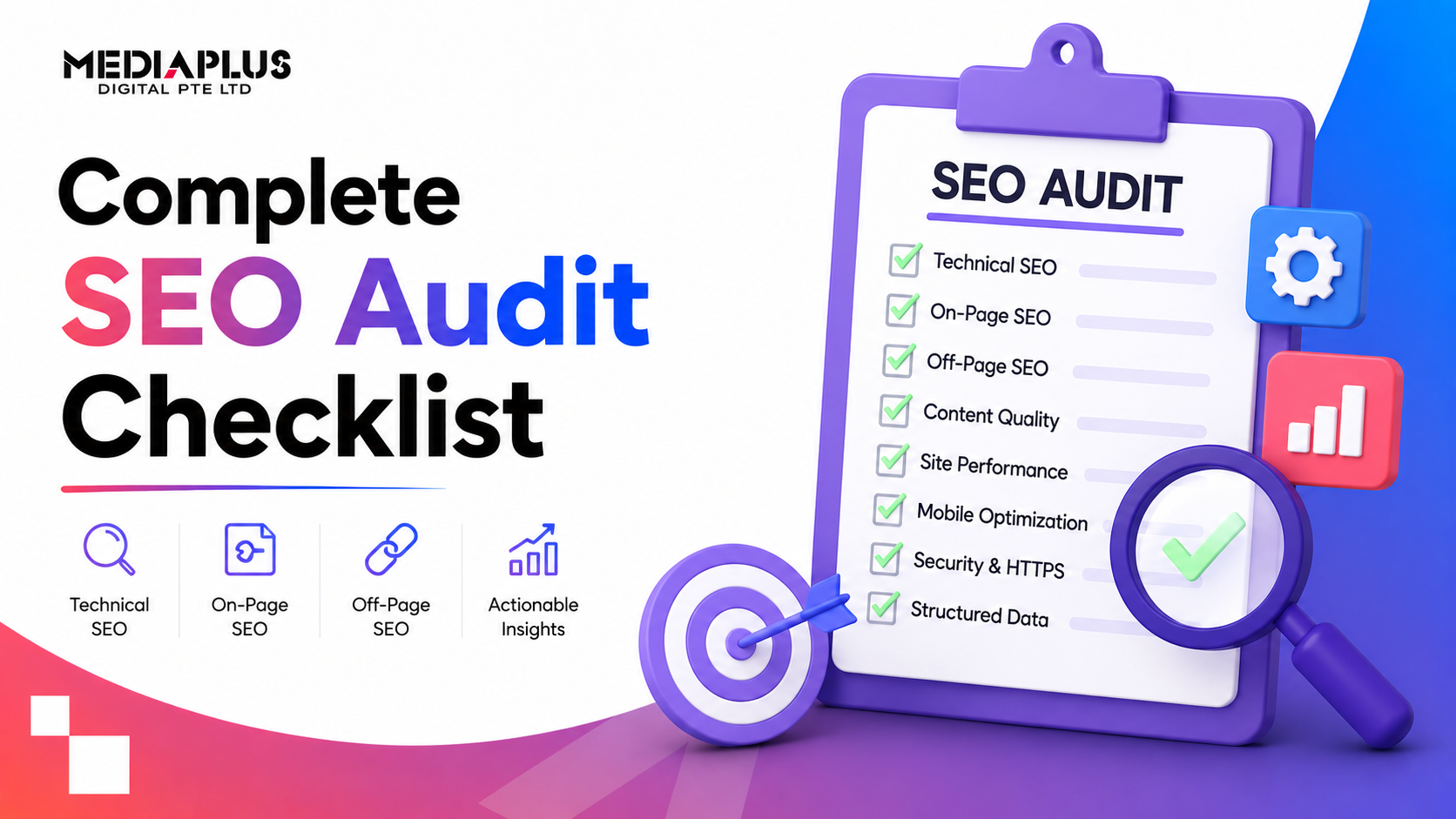
An SEO audit tells you why your site is not ranking as well as it could, and exactly what to fix. This checklist covers the seven areas that matter in 2026: technical SEO, on-page, content and E-E-A-T, Core Web Vitals, off-page authority, AI search readiness, and local SEO. Work through it in order, fix the biggest issues first, and you will have a clear plan rather than a vague sense that “SEO needs work”.
How to use this checklist
Start with a crawl of your site using a tool like Screaming Frog, then pull data from Google Search Console and PageSpeed Insights. Note each issue, rate it by impact and effort, and fix the high-impact, low-effort items first. Re-audit every few months, since sites and Google both change.
1. Technical SEO
The foundation. If Google cannot crawl and index your site properly, nothing else matters.
- Crawl the full site and fix broken links (404s) and redirect chains
- Check index coverage in Google Search Console for excluded or errored pages
- Confirm important pages are indexed, and thin or duplicate pages are not
- Review and fix your robots.txt so you are not blocking important pages
- Submit and validate an up-to-date XML sitemap
- Ensure the site uses HTTPS with a valid SSL certificate
- Check for duplicate content and set canonical tags correctly
- Review site architecture so key pages are within a few clicks of the home page
- Audit internal linking so authority flows to important pages
- Confirm mobile usability with no blocked resources or layout issues
Advanced technical checks (for larger or complex sites):
- Run a log file analysis to see how bots actually crawl your site
- Identify and fix crawl traps (endless calendar pages, session IDs, faceted URLs)
- Configure parameter handling and consolidate faceted or duplicate URLs
- Find and fix orphan pages with no internal links
- Check for index bloat (thin or auto-generated pages diluting your site)
- Verify JavaScript content renders and is indexable
- Set hreflang correctly if you serve multiple languages or regions
2. On-page SEO
How well each page is optimised for its target keyword and for users.
- Every page has a unique, descriptive title tag with its target keyword
- Every page has a unique meta description that earns clicks
- One clear H1 per page, with a logical H2 and H3 structure
- Target keyword and related terms used naturally in content and headings
- URLs are short, readable, and keyword-relevant
- Images have descriptive alt text and are compressed
- Internal links use descriptive anchor text to relevant pages
- No keyword cannibalisation, where several pages target the same term
3. Content and E-E-A-T
Google rewards content that shows Experience, Expertise, Authoritativeness, and Trust.
- Content genuinely answers the searcher’s intent, not just the keyword
- Pages are in-depth and more useful than the current top results
- Author information, credentials, and bios are present where relevant
- Facts and claims are accurate and, where useful, sourced
- Thin, outdated, or low-value pages are improved, merged, or removed
- Content is refreshed regularly to stay current
- Trust signals (contact details, policies, reviews) are easy to find
4. Core Web Vitals and performance
Speed and stability affect both rankings and conversions.
- Largest Contentful Paint (LCP) is under 2.5 seconds
- Interaction to Next Paint (INP) is within Google’s recommended range
- Cumulative Layout Shift (CLS) is low, with no jumping layouts
- Images are compressed and served in modern formats
- Unused CSS and JavaScript are reduced
- Caching and a CDN are in place for faster delivery
- The site loads well on mobile and on slower connections
5. Off-page authority
Your reputation across the web, mainly through backlinks and mentions.
- Review backlink quality, not just quantity
- Assess referring domains for relevance and authority
- Check anchor text patterns look natural, not manipulative
- Identify and disavow toxic or spammy links if needed
- Find and reclaim lost backlinks worth recovering
- Track brand mentions and look for unlinked mentions to convert
- Compare your link profile against competitors for gaps
6. AI search readiness (AEO and GEO)
New for 2026: being understood and cited by AI search.
- Structured data (schema) is implemented and valid for key page types
- Add multimodal schema where relevant (VideoObject, HowTo, FAQ, Speakable)
- Content is clearly structured with headings, lists, and direct answers
- Key questions are answered concisely enough for AI to quote
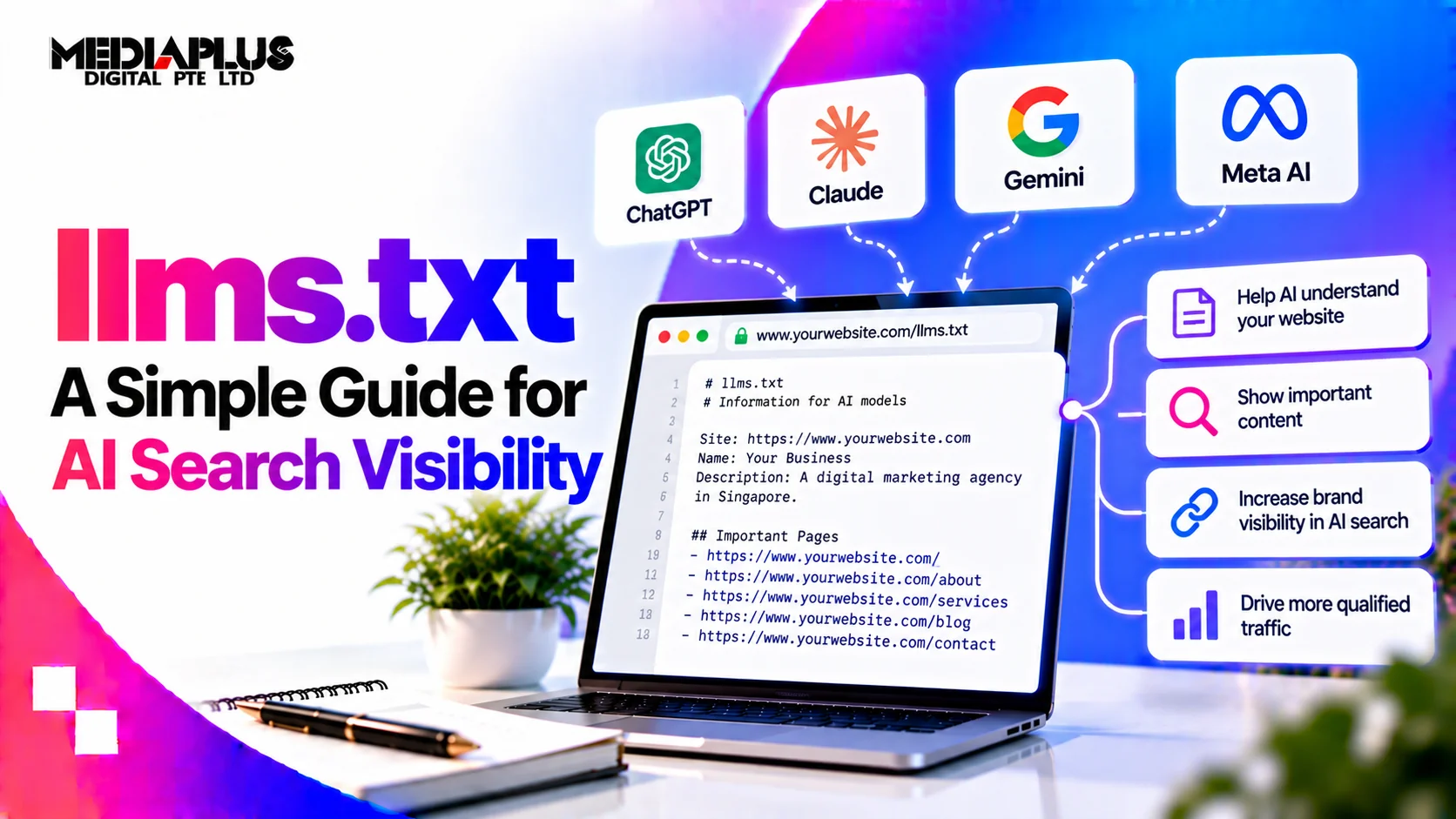
- Consider an LLMs.txt file to guide AI crawlers to your key content
- Check whether your brand already appears in AI Overviews and answer engines
- Your brand and entity information is consistent across the web
- Author and organisation schema reinforce E-E-A-T for AI engines
7. Local SEO (if you serve an area)
Essential for businesses with a physical location or service area.
- Google Business Profile is claimed, complete, and active
- The correct primary category and services are set
- NAP (name, address, phone) is consistent across the site and directories
- Local citations are accurate on major directories
- Reviews are steady, recent, and responded to
- Location and service-area pages exist and are optimised
- Local business schema is in place
Turning the audit into action
An audit is only useful if you act on it. Group your findings into quick wins (fast, high impact), fixes (worth doing soon), and projects (bigger efforts), then work through them in that order. Track rankings, traffic, and conversions so you can see what the fixes deliver.
Frequently asked questions
How often should I do an SEO audit?
A full audit every six to twelve months is sensible for most sites, with lighter monthly checks of Search Console and Core Web Vitals. Audit sooner if traffic drops suddenly.
What tools do I need for an SEO audit?
The essentials are Google Search Console and PageSpeed Insights (free), a crawler like Screaming Frog, and a backlink tool like Ahrefs or Semrush for the off-page section.
How long does an SEO audit take?
A thorough audit of a small to mid-size site takes a few days to complete properly, longer for large sites. Fixing the issues is the bigger job.
Can I do an SEO audit myself?
Yes, this checklist covers the main areas. Technical and off-page sections benefit from experience and paid tools, so many businesses have an agency handle the deeper audit.
What should I fix first after an audit?
Start with issues that block indexing or badly hurt speed, then on-page and content problems on your most important pages. Fix high-impact, low-effort items first.
Final thoughts
A good SEO audit turns guesswork into a to-do list. Work through technical, on-page, content, Core Web Vitals, off-page, AI readiness, and local, fix the biggest issues first, and re-check regularly. That is how you find the rankings and leads your site is leaving on the table.
If you would rather have it done for you, our SEO team runs full audits and handles the fixes across technical, on-page, and off-page SEO. Talk to MediaPlus Digital and claim a free RM300 SEO audit.