A digital marketing strategy is not about running random ads or posting on social media because everyone else does. It is a clear, long-term plan that connects your business goals with the right audience, channels, and messages.
When done properly, a digital marketing strategy helps you attract the right people, convert them into customers, and build long-term brand value instead of chasing short-term wins.
This guide breaks the topic down in a practical, no-fluff way, so you can understand what a digital marketing strategy really is, how it differs from tactics, and how to build one that actually delivers results.
What Is a Digital Marketing Strategy?
A digital marketing strategy is a high-level plan that defines how a business will use digital channels to achieve its marketing and commercial goals.
It answers three core questions:
-
What are we trying to achieve?
-
Who are we trying to reach?
-
How will digital channels help us get there?
Digital channels typically include websites, search engines, social media platforms, email, content, and paid advertising. The strategy sets direction. Execution happens later through campaigns and tactics.
Think of it this way:
-
Strategy sets the destination.
-
Campaigns map the route.
-
Tactics are the individual steps you take along the way.
Without a clear strategy, marketing efforts often become fragmented, reactive, and difficult to measure.
Digital Marketing Strategy vs Campaigns vs Tactics
These terms are often used interchangeably, but they serve very different purposes.
Digital marketing strategy
-
Long-term and business-driven
-
Defines goals, priorities, and focus areas
-
Guides all marketing decisions
Marketing campaigns
-
Time-bound initiatives
-
Designed to support specific strategic goals
-
Examples include product launches, lead generation pushes, or seasonal promotions
Marketing tactics
-
Day-to-day actions
-
Examples include writing blog posts, launching ads, sending emails, or publishing social posts
A strong digital marketing strategy ensures campaigns and tactics work together instead of competing for attention or budget.
What Does a Strong Digital Marketing Strategy Look Like?
At its core, a solid digital marketing strategy balances four key components.
1. Clear goals
Goals should align with broader business objectives, not just vanity metrics.
Examples:
-
Increase qualified leads by 30 percent in 12 months
-
Grow organic revenue from search by 25 percent year over year
-
Improve customer retention through better lifecycle marketing
2. A defined audience
Understanding who you are targeting is critical. This includes demographics, behavior, pain points, and decision-making triggers.
Strong strategies are built around real buyer personas, not assumptions.
3. Smart budget allocation
Budget should follow impact, not trends. Not every channel deserves equal investment.
For example, B2B brands often see stronger ROI from SEO, LinkedIn, and content, while B2C brands may lean more heavily into social, video, and paid media.
4. Meaningful metrics
Metrics tell you whether your strategy is working.
Examples include:
-
Conversion rates
-
Cost per lead or acquisition
-
Engagement quality, not just volume
-
Revenue contribution by channel
Without measurement, strategy becomes guesswork.
Core Levers of a Digital Marketing Strategy
A strategy comes to life through execution levers. These are the channels and methods that turn planning into results.
Inbound marketing
Inbound marketing attracts users through valuable, relevant experiences instead of interruptive messaging.
It typically combines content, SEO, lead nurturing, and personalization to guide prospects through the funnel.
Content marketing
Content marketing focuses on creating useful, relevant content such as articles, videos, guides, and case studies.
It supports awareness, trust-building, and lead generation across every stage of the buyer journey.
Search engine optimization (SEO)
SEO ensures your content and website are discoverable when users actively search for solutions.
It is one of the most cost-effective long-term drivers of qualified traffic and demand.
Social media marketing
Social platforms help brands connect, engage, and build visibility with specific audience segments.
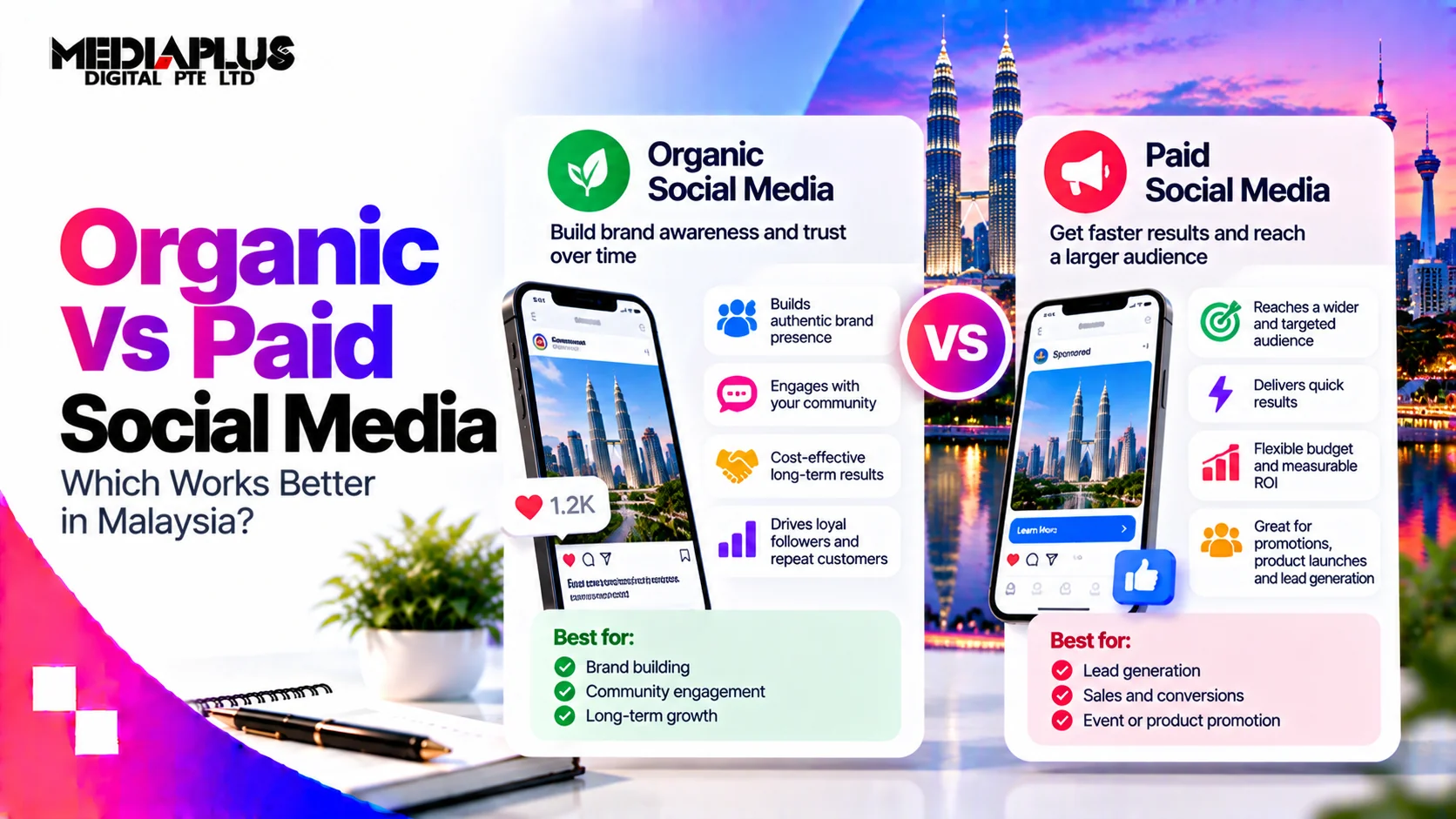
Organic and paid social both play a role, depending on goals and competition.
Email marketing
Email remains one of the strongest channels for nurturing leads, retaining customers, and driving repeat conversions.
Personalization and segmentation are key to success here.
Paid advertising (PPC)
Paid media delivers speed and scale. It is especially useful for launches, testing offers, and capturing high-intent demand.
It works best when aligned tightly with landing pages, messaging, and analytics.
Video marketing
Video helps explain complex ideas, humanize brands, and increase engagement across platforms.
It is increasingly important across websites, social media, and paid campaigns.
Earned media and PR
Mentions, reviews, and media coverage build credibility and amplify reach through third-party validation.
Chatbots and AI-driven interactions
Chatbots and AI agents improve response times, qualify leads, and support users in real time.
They play a growing role in both marketing and customer experience.
How to Build a Digital Marketing Strategy Step by Step
Step 1: Define goals and objectives
Start with business goals, then translate them into marketing objectives.
Use clear, measurable targets and timelines so progress can be tracked realistically.
Step 2: Understand your buyer personas
Base personas on real data, not assumptions.
Look at:
-
Location and market
-
Job role or customer profile
-
Challenges and motivations
-
Buying triggers and objections
This ensures your messaging and channel choices make sense.
Step 3: Audit existing assets
Review your current website, content, channels, and performance data.
Identify:
-
What is working well
-
Where gaps exist
-
Which channels underperform
-
SEO opportunities and content weaknesses
A strategy should build on strengths, not ignore them.
Step 4: Plan resources and execution
Decide how content and campaigns will be produced and managed.
Consider:
-
Budget and internal capacity
-
In-house versus outsourced execution
-
Tools for analytics, automation, and collaboration
-
Realistic timelines
Execution quality matters as much as planning.
Step 5: Define KPIs and measurement
Choose KPIs that reflect real impact, not surface-level activity.
Examples:
-
Lead quality and conversion rates
-
Cost efficiency by channel
-
Customer lifetime value
-
Revenue attribution
Review performance regularly and refine the strategy based on data.
Why Digital Marketing Strategy Matters More Than Ever
Digital channels are crowded. Competition is intense. Algorithms change constantly.
A strong digital marketing strategy gives you focus, consistency, and clarity. It helps you invest where it matters, adapt faster, and scale growth sustainably.
Without strategy, marketing becomes reactive. With strategy, it becomes a growth engine.
How MediaPlus Digital Malaysia Can Help
Building and executing a digital marketing strategy requires both strategic thinking and hands-on expertise. That is where MediaPlus Digital Malaysia comes in.
Our related digital marketing services include:
-
Content strategy and content production
-
Paid media management across search and social
-
Social media strategy and performance marketing
-
Marketing analytics, tracking, and CRO
-
B2B and B2C lead generation campaigns
We focus on strategies that are practical, data-driven, and aligned with real business outcomes, not vanity metrics.
If you are looking to build a digital marketing strategy that actually supports growth, MediaPlus Digital Malaysia can help you plan, execute, and scale with confidence.
Feel free to reach out if you want this article adapted for a landing page, localized for Malaysia or Singapore, or optimized further for SEO structure and internal linking.