Instagram has evolved far beyond a photo-sharing app. Today, it is one of the most influential ecommerce channels, where product discovery, evaluation, and purchase often happen in the same session.
With more than 2 billion monthly active users and around 500 million daily active users, Instagram now plays a direct role in how consumers shop online. Research shows that 44% of users shop on Instagram weekly, and over 80% follow at least one brand on the platform. This shift has turned Instagram into a full-funnel commerce environment, not just a social network.
For ecommerce brands, the question is no longer whether Instagram works, but how to build a strategy that converts attention into revenue.
What Is Instagram Ecommerce?
Instagram ecommerce refers to using Instagram to promote, advertise, and sell products directly through the platform. Brands can sell exclusively on Instagram or use it as a conversion channel that connects to their website or ecommerce platform.
To enable ecommerce features, brands must operate a business account and set up Instagram Shopping. Once approved, they can create an Instagram Shop that functions like a digital storefront, complete with product catalogs, collections, and in-app checkout options in supported regions.
This setup is especially popular among younger audiences. In the US, Gen Z and Millennials are the most likely demographics to make purchases via social platforms, largely because Instagram reduces friction in the buying journey.

Why Instagram Works for Ecommerce
Instagram’s strength lies in how naturally shopping fits into user behavior.
Key reasons include:
-
High discovery intent: Around 83% of users discover new products on Instagram, and more than 200 million people visit at least one business profile daily.
-
Low resistance to ads: Nearly 90% of users follow brands, and 50% say Instagram ads make them more interested in a brand.
-
Seamless buying experience: Product tags, Shop tabs, and Buy buttons allow users to explore and purchase without leaving the app.
-
Visual-first storytelling: Products are presented in lifestyle contexts, making them easier to imagine and desire.
Platforms like Shopify further strengthen this ecosystem by allowing brands to sync their product catalogs directly into Instagram, ensuring pricing, inventory, and visuals remain consistent across channels.
Core Benefits of Instagram Ecommerce
1. Easier Conversion Through Native Shopping Features
Instagram Shopping removes many traditional ecommerce friction points. Instead of clicking through multiple pages, users can tap a product tag, view details, and proceed to checkout almost instantly. This convenience is a key reason why around 44% of social media users have purchased via Instagram.
2. Customer Advocacy Through User-Generated Content
Customers who love a product often share it voluntarily. This user-generated content acts as social proof and free promotion. Studies consistently show that UGC influences purchasing decisions more than brand-created content, particularly in beauty, fashion, and lifestyle categories.
3. Higher Engagement Than Most Social Platforms
The median engagement rate on Instagram is approximately 4.6%, which is more than 10 times higher than Facebook and significantly higher than X (Twitter). This makes Instagram one of the most effective platforms for two-way interaction with customers.
4. Strong Brand Awareness Impact
Meta data shows that 44% of users are open to shopping from new brands discovered on social media. For ecommerce brands, Instagram is often the first touchpoint before any direct conversion happens.
Examples of Brands Using Instagram Ecommerce Effectively
Brands like Beardbrand, Tentree, Allbirds, and Cowboy Bikes use Instagram not just to sell products, but to educate and build long-term trust.
Common patterns across successful brands include:
-
Clear product categorization inside Instagram Shops
-
Consistent use of product tags in posts, Reels, and Stories
-
Strong storytelling around values such as sustainability or craftsmanship
-
Heavy use of UGC and creator collaborations
These brands treat Instagram as an extension of their ecommerce site, not a separate marketing channel.

Key Instagram Ecommerce Strategies That Work
Make Content Shoppable by Design
Shoppable posts and Stories should feel native, not salesy. Product tags work best when paired with lifestyle imagery, tutorials, or real-use scenarios rather than studio-only product shots.
Leverage Influencers for Authentic Reach
Influencer marketing works best when engagement quality is prioritized over follower count. Data shows that micro and nano influencers often deliver higher engagement rates, typically between 4–6%, compared to larger accounts.
Use Paid Ads to Scale What Already Works
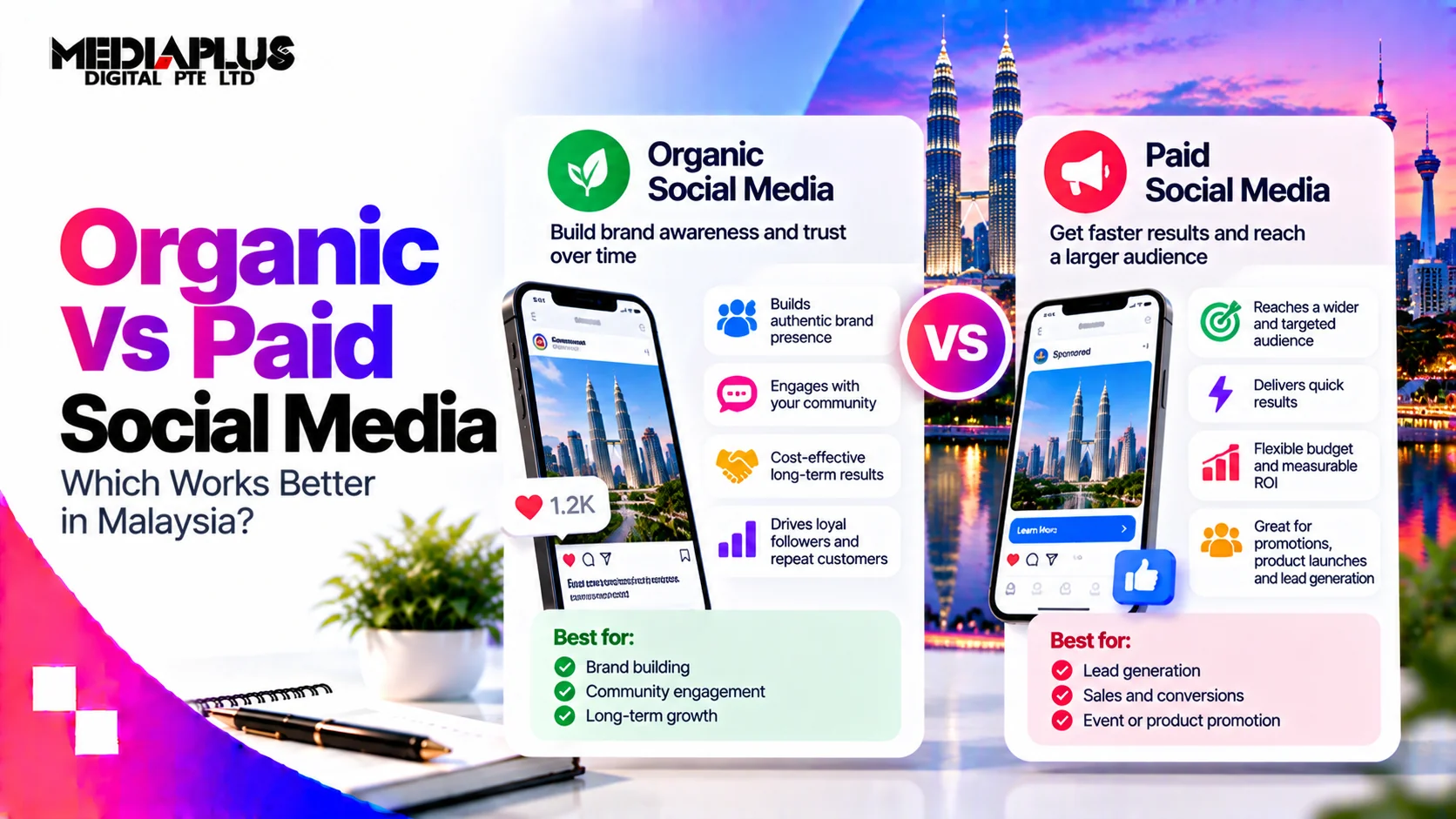
Organic content identifies what resonates. Paid Instagram ads then scale that content to new audiences. Video ads, in particular, consistently outperform static images, often driving up to 3x higher engagement.
Build Urgency Without Damaging Trust
Flash sales, limited-time offers, and countdown stickers can drive impulse purchases when used sparingly. Brands that combine urgency with clarity tend to see stronger conversion rates than those relying on constant discounts.
Track, Learn, and Adjust
Instagram Insights provides data on reach, saves, shares, and conversions. Brands that actively analyze this data and refine their content calendar tend to outperform those posting reactively.

Final Thoughts
Instagram ecommerce is no longer experimental. It is a proven revenue channel that blends content, community, and commerce into one experience.
Brands that succeed on Instagram do not rely on random posting or one-off campaigns. They build a structured strategy that connects organic content, shopping features, and paid media into a single system.
To do this effectively, many brands choose to work with specialists who understand both the creative and performance sides of social commerce. At MediaPlus Malaysia, their Instagram Ads service is designed to help ecommerce brands scale sales efficiently by combining strategic targeting, high-impact creative, and data-driven optimisation. This means running campaigns that not only drive reach and engagement, but also deliver measurable conversions and return on ad spend.
Beyond Instagram advertising, MediaPlus Malaysia offers a comprehensive digital marketing service that aligns social campaigns with broader objectives from SEO and content marketing to analytics and full-funnel performance media. By integrating organic social strategies with paid advertising and conversion optimisation, they help brands build sustainable ecommerce growth rather than isolated wins.
As social commerce continues to grow, Instagram will remain one of the most important platforms for ecommerce brands that want to meet customers where discovery naturally happens — and the right blend of strategy, creative execution, and performance optimisation ensures that presence converts into real business results.