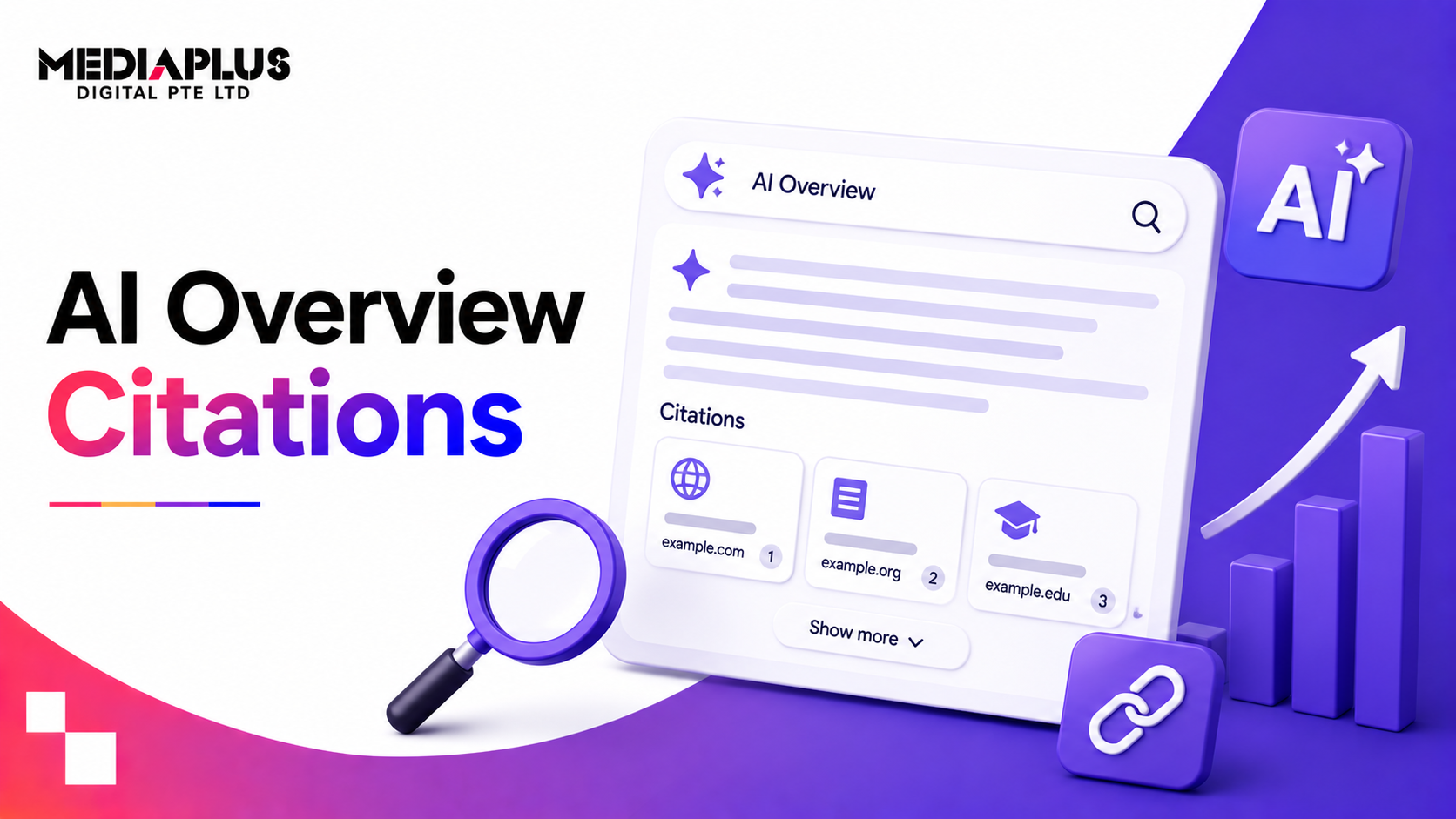
Quick answer: An AI Overview citation is when Google’s AI answer links to your page as a source. You earn one not by ranking your whole page, but by writing a single clear, unique, trustworthy passage that answers one part of the question better than anyone else. You do not need to rank number one; Google often cites sources from positions 4 to 20 based on passage quality and trust. This guide explains how AI Overview citations work and how to win them.
What is an AI Overview citation?
When you search on Google, you often see an AI Overview at the top: an AI-generated answer stitched together from multiple sources. Next to it are citations, the links to the pages Google leaned on to build that answer. Being one of those cited sources is the new prize: it puts your brand at the very top of the result, inside the answer itself.
Miss the citation and your competitors get the visibility, even if you rank on the page below.
How AI Overview citations actually work
This is the key shift, and most businesses get it wrong. AI Overviews do not rank whole pages the way classic search does. Instead:
- Google breaks the query into sub-questions.
- For each, it looks across its index for the best passage that answers it.
- It extracts those passages and stitches them into one answer.
- It attaches citations to the sources it actually used.
So you are not competing to rank a page; you are competing to have one passage extracted and cited for one specific part of the answer. Pages that contribute a clear, unique, trustworthy passage get cited. Pages that just echo what everyone else said get summarised without credit.
You do not need to be number one. Google’s pipeline frequently pulls cited sources from positions 4 to 20 based on passage quality and trust signals, not raw ranking. In fact, analyses in 2026 found the share of AI Overview citations coming from top-10 organic pages dropped from around 76% to 38%, meaning citations increasingly go to pages that answer a sub-question well, wherever they rank.
What gets a page cited: the citation factors
Industry analyses in 2026 point to a consistent set of factors behind AI Overview citations. Treat the figures as directional (they come from third-party studies), but the direction is clear.
1. Semantic completeness
Content that fully answers a question, covering the sub-points a reader needs, is far more likely to be cited. Analyses report that pages scoring highest on semantic completeness are several times more likely to be cited than thin ones. Answer the whole question, not half of it.
2. E-E-A-T and entity signals
The vast majority of cited sources show strong E-E-A-T (experience, expertise, authoritativeness, trust). Pages that clearly reference recognised entities (people, brands, places, concepts) are selected far more often. Establish who you are, cite real authorities, and name things precisely. See topical authority.
3. Clear, extractable structure
Because Google extracts passages, structure matters. Lead with a direct answer, use clear headings that match sub-questions, and keep key facts in clean, self-contained sentences the model can lift. This is core answer engine optimisation.
4. Fact verification and freshness
Content backed by recent statistics and credible, high-quality sources is selected more often. Keep data current and cite where facts come from. Stale or unsourced claims get passed over.
5. Multi-modal content
Pages that combine text with images, video, and structured data are selected at noticeably higher rates than text-only pages. Add relevant visuals and schema.
6. URL accessibility and crawlability
A page can only be cited if Google can reach it. Make sure your key pages are crawlable and not blocked, with clean URLs. Accessibility is one of the strongest technical prerequisites.
7. Mobile and performance
Google’s 2026 updates fold speed and mobile performance into a composite score, and pages that fail a metric are penalised more than before. Fast, mobile-first pages are favoured. See Core Web Vitals.
How to earn AI Overview citations: an action plan
- Target sub-questions. Break your topic into the specific questions people ask, and answer each one directly on the page.
- Lead with the answer. Put a clear, quotable answer in the first line or two of each section.
- Be complete. Cover the topic thoroughly so your page is semantically complete, not thin.
- Show E-E-A-T. Add author bylines, credentials, sources, and real experience.
- Name entities and cite facts. Reference recognised names and back claims with current, credible data.
- Add structure and media. Use clear headings, schema, and relevant images or video.
- Fix the technical basics. Ensure crawlability, clean URLs, speed, and mobile performance.
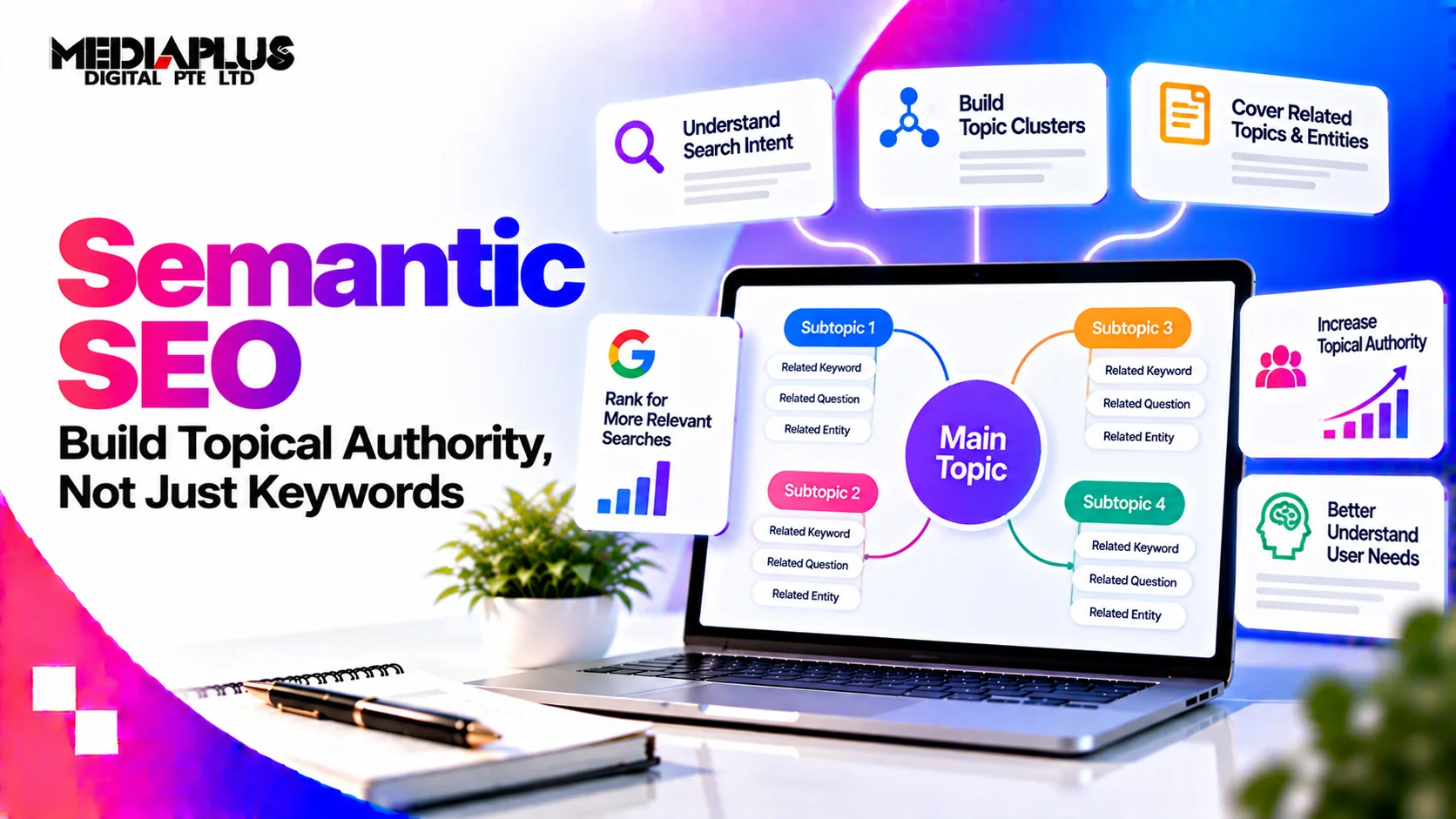
- Build topical depth. Cover the whole topic across linked pages, not one isolated article.
Measuring your AI Overview citations
You cannot improve what you do not track. Use an AI-visibility tool to monitor when AI Overviews appear for your keywords and whether you are cited. See our guide to the best Google AI Overviews tracking tools.
Frequently asked questions
What is an AI Overview citation?
It is a link Google’s AI Overview shows to a page it used as a source. Being cited puts your brand inside the AI answer at the top of the result.
Do I need to rank number one to be cited in an AI Overview?
No. Google often cites sources from positions 4 to 20 based on passage quality and trust, not just top rankings. A well-answered sub-question can be cited from lower down.
How do I get cited in Google AI Overviews?
Answer specific sub-questions directly and completely, lead with a clear answer, show strong E-E-A-T, name entities, cite current facts, add structure and media, and make sure your pages are crawlable and fast.
How is this different from normal SEO?
Classic SEO ranks whole pages; AI Overview citations reward individual passages that answer one part of a question best. Structure and completeness matter even more.
How do I know if I am being cited?
Use an AI-visibility tracking tool to monitor AI Overviews for your keywords and see whether, and where, you are cited.
The bottom line
AI Overview citations are the new front page of Google. They go to pages that answer a specific question clearly, completely, and credibly, not just to whatever ranks first. Write for sub-questions, lead with the answer, prove your expertise, and keep your pages fast and crawlable. Do that and Google’s AI will cite you, wherever you rank.
Want your brand cited in Google’s AI answers? Talk to MediaPlus Digital about our GEO and AI visibility services, and claim a free RM300 consultation.