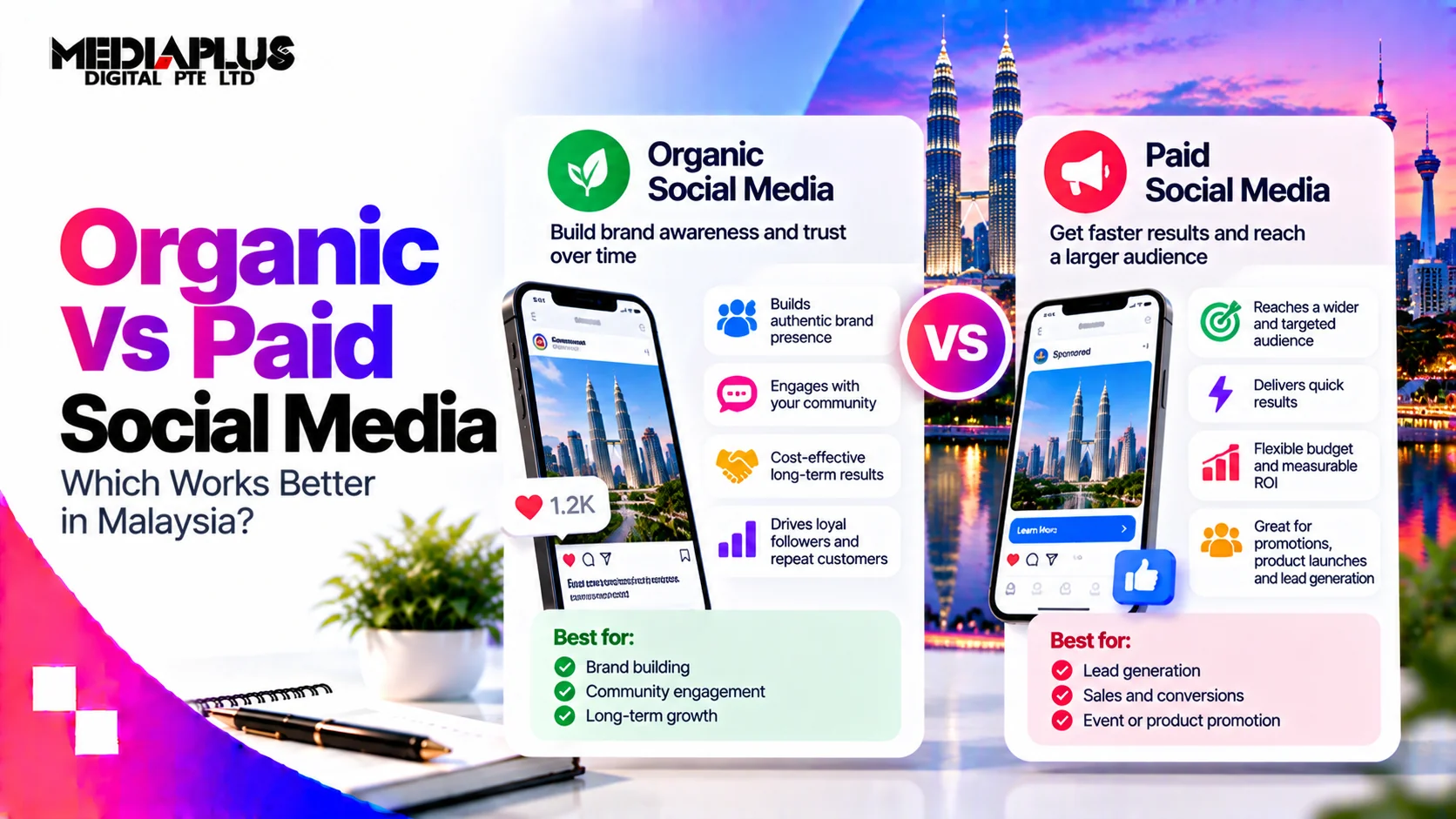
Quick answer: Customer experience (CX) design is the practice of deliberately shaping every interaction a customer has with your brand, across digital, physical, and human touchpoints, before, during, and after a purchase, so those interactions feel intuitive, consistent, and emotionally rewarding. Where UX design focuses on one product or interface, CX design covers the whole journey: marketing, website, sales, support, and loyalty. Done well, it builds trust, loyalty, and growth.
What is customer experience design?
Customer experience design (CX design) is the strategic process of shaping and optimising every interaction a customer has with your brand to foster satisfaction, loyalty, and long-term value. That includes the ad they first see, your website, the buying process, customer support, and how they feel about you months later.
It is not one screen or one campaign. It is the sum of every touchpoint, digital, physical, and human, designed intentionally rather than left to chance. The goal is an experience that feels effortless and consistent at every step.
CX design vs UX design
These are often confused. The simplest way to see it: UX is a subset of CX.
- CX (Customer Experience) is the big picture: how a customer feels about your brand across every touchpoint, from the first ad to a support call six months after buying.
- UX (User Experience) is focused on one product or interface: the screens, clicks, and forms, and how it feels to use a single tool.
|
CX design |
UX design |
|
|
Scope |
The whole brand journey |
One product or interface |
|
Covers |
Marketing, web, sales, support, loyalty |
Usability of a specific tool |
|
Question |
How does the customer feel about us overall? |
Is this product easy to use? |
|
Relationship |
The big picture |
A part of CX |
You need both. For the UX side, see our guide on UI vs UX design.
Why customer experience design matters
- It differentiates you. When products and prices are similar, experience is what sets brands apart.
- It drives loyalty and retention. A good experience makes customers come back and recommend you; keeping a customer is far cheaper than winning a new one.
- It removes friction. Every confusing step or dead end costs you a sale. CX design finds and fixes them.
- It builds trust. Consistent, thoughtful experiences make a brand feel reliable.
- It grows revenue. Satisfied customers buy more, stay longer, and refer others.
The principles of great CX design
- Empathy: understand customers’ real motivations, pain points, and emotions.
- Consistency: a coherent experience across every channel.
- Simplicity: remove friction so interactions feel effortless.
- Personalisation: tailor to individual needs and context.
- Proactivity: anticipate issues and next steps before the customer asks.
- Feedback loops: continuously gather input and refine.
- Alignment: get internal teams working in harmony so customers meet one unified brand.
The customer experience design process (6 phases)
Good CX design follows a clear process:
- Discovery: research customers, their goals, and their pain points.
- Mapping: build a customer journey map of every touchpoint, and where it breaks.
- Ideation: generate ideas to fix friction and improve key moments.
- Design: design the improved touchpoints and interactions.
- Validation: test with real customers before rolling out.
- Optimisation: measure, learn, and keep improving.
The heart of it is journey mapping: seeing the experience as your customer actually lives it, not as your org chart assumes.
Tools for CX design
CX teams typically use: journey-mapping tools (to visualise touchpoints), analytics (to see behaviour), customer feedback and survey tools (to hear the voice of the customer), heatmaps and session recordings (to see friction on your site), and CRM (to unify customer data). The tools matter less than using them to close the loop between insight and action.
CX design in 2026: context over identity
The shift in 2026 is toward contextual personalisation: adapting the experience based on a customer’s context (device, timing, behaviour, workflow stage) rather than just who they are. For example, Shopify’s adaptive dashboards show merchants different things based on where they are in a workflow, not their demographics. Other well-known CX examples include Apple’s seamless omnichannel experience and Zappos’ empowered support culture.
How this connects to your website
Your website is one of the most important CX touchpoints, often the first and the most used. A fast, clear, conversion-focused site is CX design in action, and a slow, confusing one undermines every other effort. That is why we treat web design and conversion optimisation as part of the wider customer experience, not separate tasks.
Frequently asked questions
What is customer experience (CX) design?
The practice of intentionally designing every interaction a customer has with a brand, across digital, physical, and human touchpoints, so the whole journey feels intuitive, consistent, and rewarding.
What is the difference between CX and UX design?
UX design focuses on the usability of one product or interface; CX design covers the entire brand journey (marketing, web, sales, support, loyalty). UX is a subset of CX.
Why is customer experience design important?
It differentiates your brand, builds loyalty and trust, removes friction that costs sales, and grows revenue, often the biggest edge when products and prices are similar.
What are the steps in the CX design process?
Discovery, mapping the customer journey, ideation, design, validation with real customers, and ongoing optimisation.
How does CX design relate to my website?
Your website is a key CX touchpoint. A fast, clear, conversion-focused site strengthens the experience; a confusing one weakens it. Web and CX design should work together.
The bottom line
Customer experience design is about designing the whole journey, not just one screen, so every interaction with your brand feels effortless and consistent. Understand your customers, map their journey, remove friction, personalise by context, and keep improving. Get it right and CX becomes your strongest driver of trust, loyalty, and growth.
Want a website and digital experience designed around your customers? Talk to MediaPlus Digital about web design and conversion optimisation, and claim a free RM300 consultation.