User experience design, commonly known as UX design, is one of the most important factors behind successful digital products today. From websites and mobile apps to software platforms and online services, UX determines how users feel, behave, and decide when interacting with a brand.
In highly competitive digital markets, users rarely tolerate confusion, friction, or unclear value. UX design exists to ensure products are not only usable, but meaningful, intuitive, and aligned with real user needs.
This guide explains what UX design really is, how it differs from UI, why it matters for businesses, and how UX thinking is applied in real-world digital products.
What Is User Experience Design?
User experience design is the process of designing products and services that deliver meaningful, relevant, and effective experiences to users.
According to ISO 9241-210, user experience refers to a person’s perceptions and responses resulting from the use or anticipated use of a product, system, or service. In simple terms, UX is about how a user feels before, during, and after interacting with something.
UX design does not focus on a single screen or interface. It considers the entire journey, including:
-
Discovering the product
-
Understanding its value
-
Using it to achieve a goal
-
Getting help or support when needed
-
Forming long-term trust with the brand
A good UX solves real problems. If a product does not serve a clear purpose or meet a genuine need, users will abandon it regardless of how advanced or visually polished it looks.
UX vs UI: Understanding the Difference
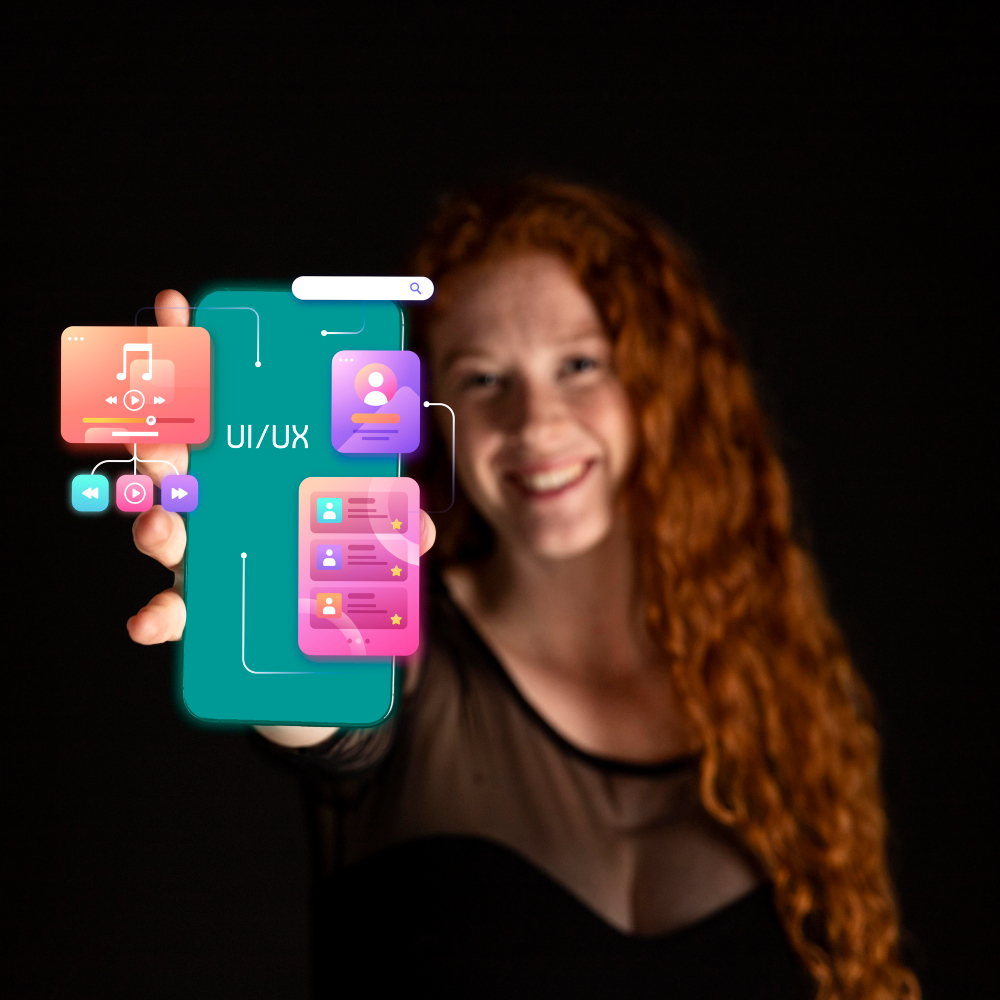
UX and UI are closely related but they are not the same.
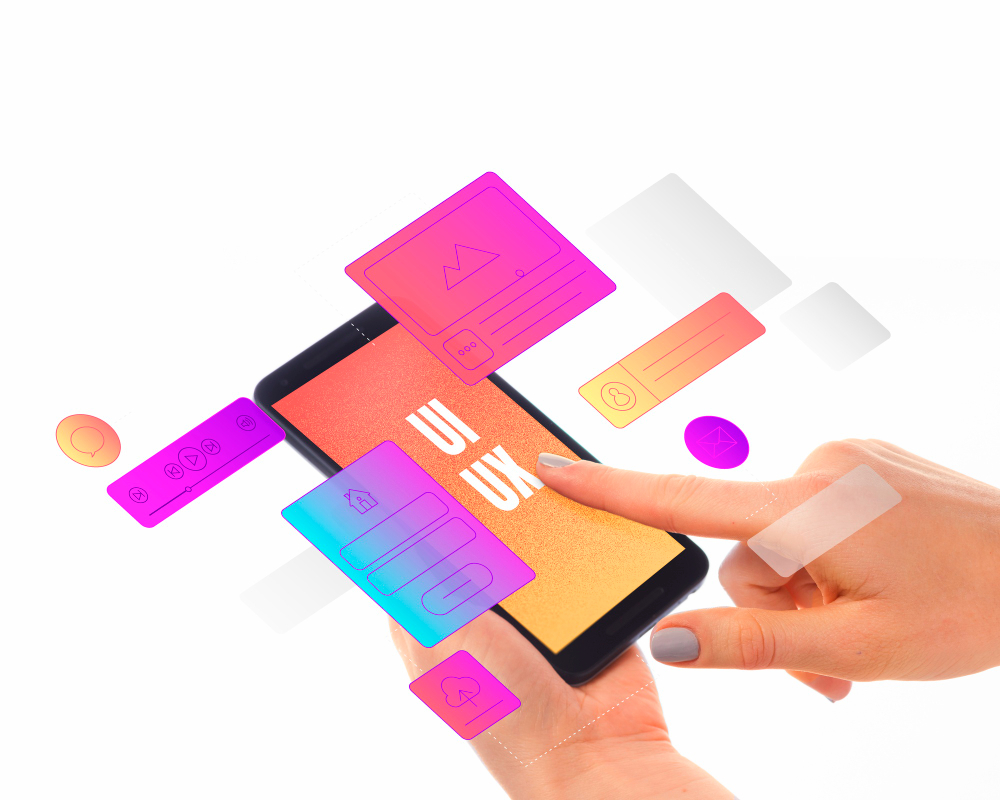
UX design focuses on the overall experience. It looks at user goals, motivations, behaviors, and emotions across the entire journey. This includes structure, usability, content flow, performance, accessibility, and satisfaction.
UI design focuses on the interface itself. It deals with layout, colors, typography, buttons, icons, and visual hierarchy. UI is how users interact with the product on a screen.
A simple way to understand the difference:
-
UX is how the product works and feels over time
-
UI is how the product looks and responds in each interaction
Strong UI supports good UX, but visual design alone cannot fix poor user experience decisions.
Why User Experience Design Matters
UX design is not a nice-to-have. It directly impacts business performance.
Research consistently shows that well-designed user experiences lead to higher conversions, stronger engagement, and better retention. Poor UX increases bounce rates, abandonment, and customer frustration.
Key business benefits of UX design include:
-
Reduced friction and errors during critical actions
-
Faster task completion and higher satisfaction
-
Increased trust and credibility
-
Lower support and training costs
-
Higher conversion rates and lifetime value
In digital-first environments, UX is often the main differentiator when products, pricing, and features look similar.
UX Is a User-Centered Discipline
UX design is rooted in understanding people, not technology.
UX designers study users through research methods such as interviews, usability testing, behavioral analysis, and feedback loops. The goal is to identify pain points, expectations, and real-world constraints.
Common UX activities include:
-
User research and persona creation
-
Customer journey mapping
-
Information architecture planning
-
Wireframing and prototyping
-
Usability testing and iteration
UX design is iterative. Designs are tested, refined, and improved based on real user behavior rather than assumptions.
UX Goes Beyond Usability and Interfaces
Usability and UI are important parts of UX, but they are only subsets.
UX also includes emotional response, trust, accessibility, and perceived value. A product can be usable but still deliver a poor experience if it feels slow, confusing, or misaligned with user expectations.
UX also extends beyond a single product or device. It includes how users experience marketing messages, onboarding, support, and even post-purchase interactions.
In that sense, UX is closely connected to customer experience, but remains focused on how people interact with specific products and systems.
Final Thoughts: UX as a Business Advantage
User experience design is about designing for people, not just screens.
When UX is done well, users do not have to think about how a product works. They simply achieve what they need, efficiently and confidently. Over time, this builds trust, loyalty, and long-term value.
For businesses operating in competitive digital environments, UX is no longer optional. It is a core growth driver.
This is why modern agencies approach UX design Malaysia and web design Malaysia as integrated disciplines rather than isolated tasks. At MediaPlus Malaysia, UX principles are applied across website strategy, structure, content, and performance. Their web design service focuses on creating user-centered digital experiences that support conversion, usability, and long-term brand growth, not just visual appeal.
When UX is treated as a system rather than a surface layer, digital products stop feeling like tools and start feeling like solutions.