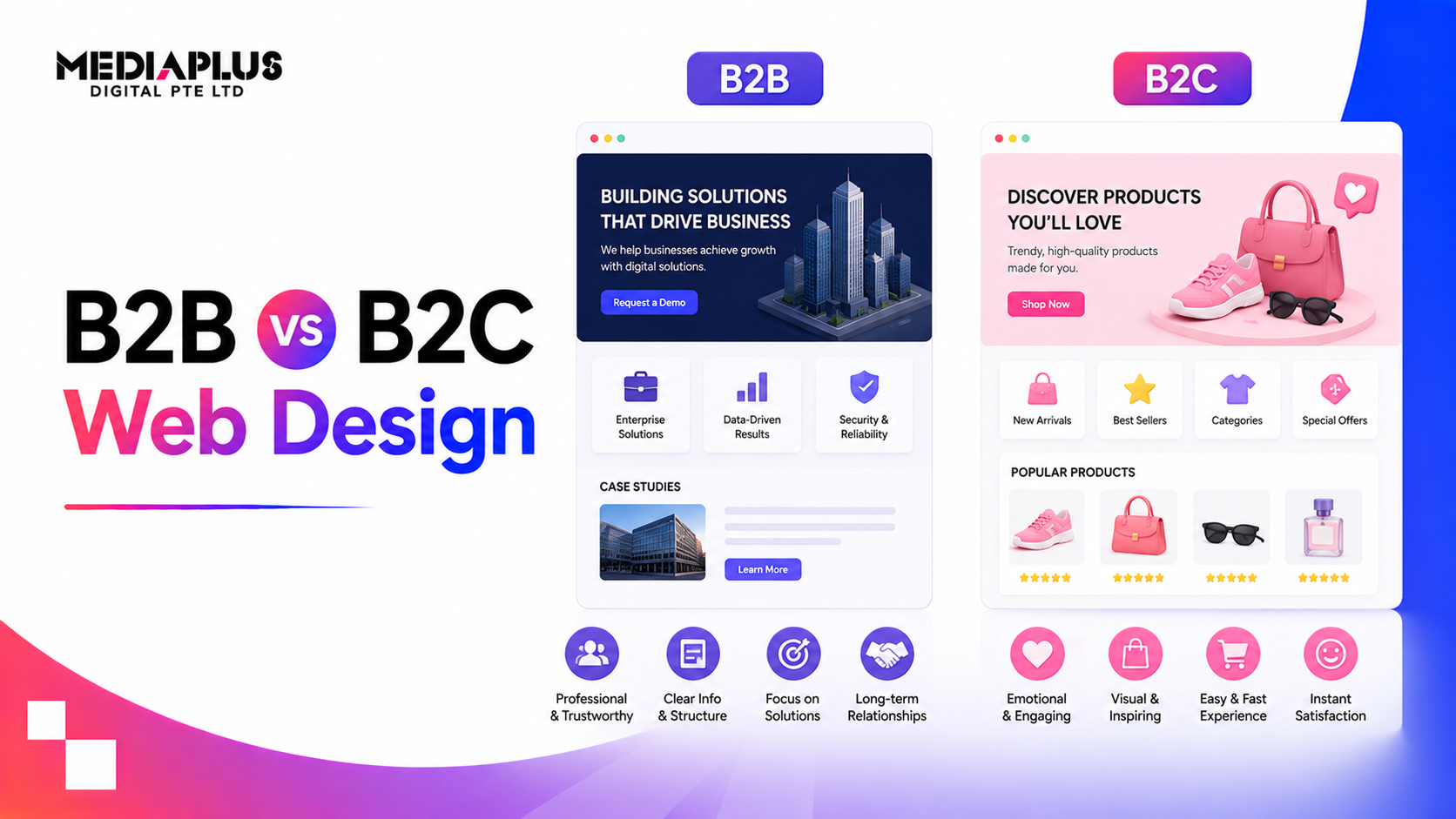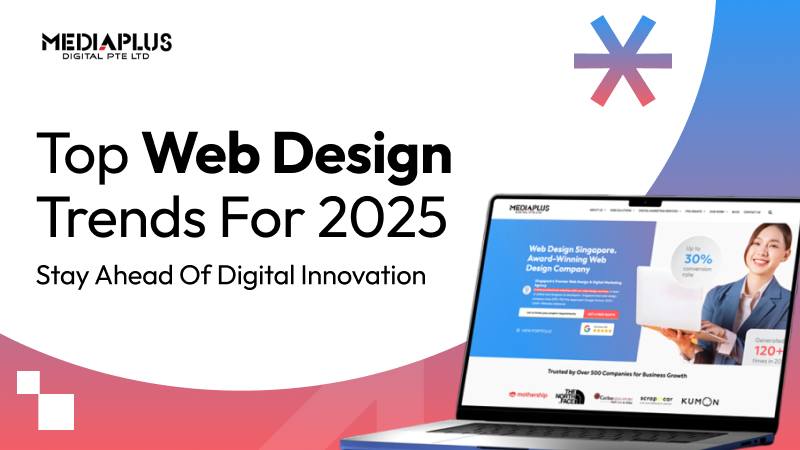
Every year the way websites look and behave shifts, and 2026 is a big one. AI now personalises pages in real time, motion has become a core skill, and bold typography and brutalist edges are pushing against years of safe minimalism. This guide covers the web design trends worth knowing for 2026, what is driving each one, and which are worth adopting for your business rather than chasing for their own sake.
A quick word of caution before the list: a website trend is only useful if it serves your visitors. The best sites borrow what improves clarity, speed, and trust, and skip what just looks fashionable. Around 72% of designers now use generative AI in their workflow, so the pace of change is faster than ever, which makes knowing what to ignore as important as knowing what to follow.
Why web design trends matter
Your website is often the first impression, and design shapes whether people trust you in seconds. Following the right trends keeps your site feeling current, fast, and easy to use, which supports conversions. Following the wrong ones adds weight and complexity that slow the site down. The goal is to modernise with intent, not to redesign every time a new style appears.
The 11 web design trends for 2026
1. Dark mode as a default
Dark mode has moved from an option to a starting point. Many 2026 sites design dark-first, then offer a light toggle. It reduces eye strain, saves battery on OLED screens, and makes bold colour and typography pop. The key is enough contrast for readability.

2. Neo-brutalism and expressive design
After years of safe, rounded minimalism, brands are embracing bolder looks. Neo-brutalism borrows the raw grids, heavy type, and high-contrast blocks of brutalism, but adds polish and usability for commercial sites. It signals confidence and helps a brand stand out, used with restraint.
3. Bento and anti-grid layouts
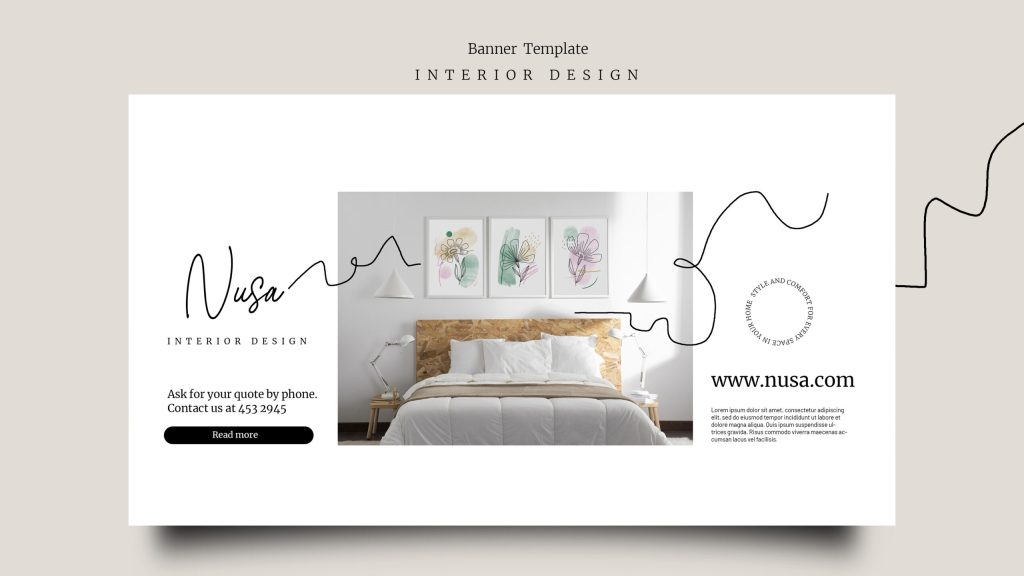
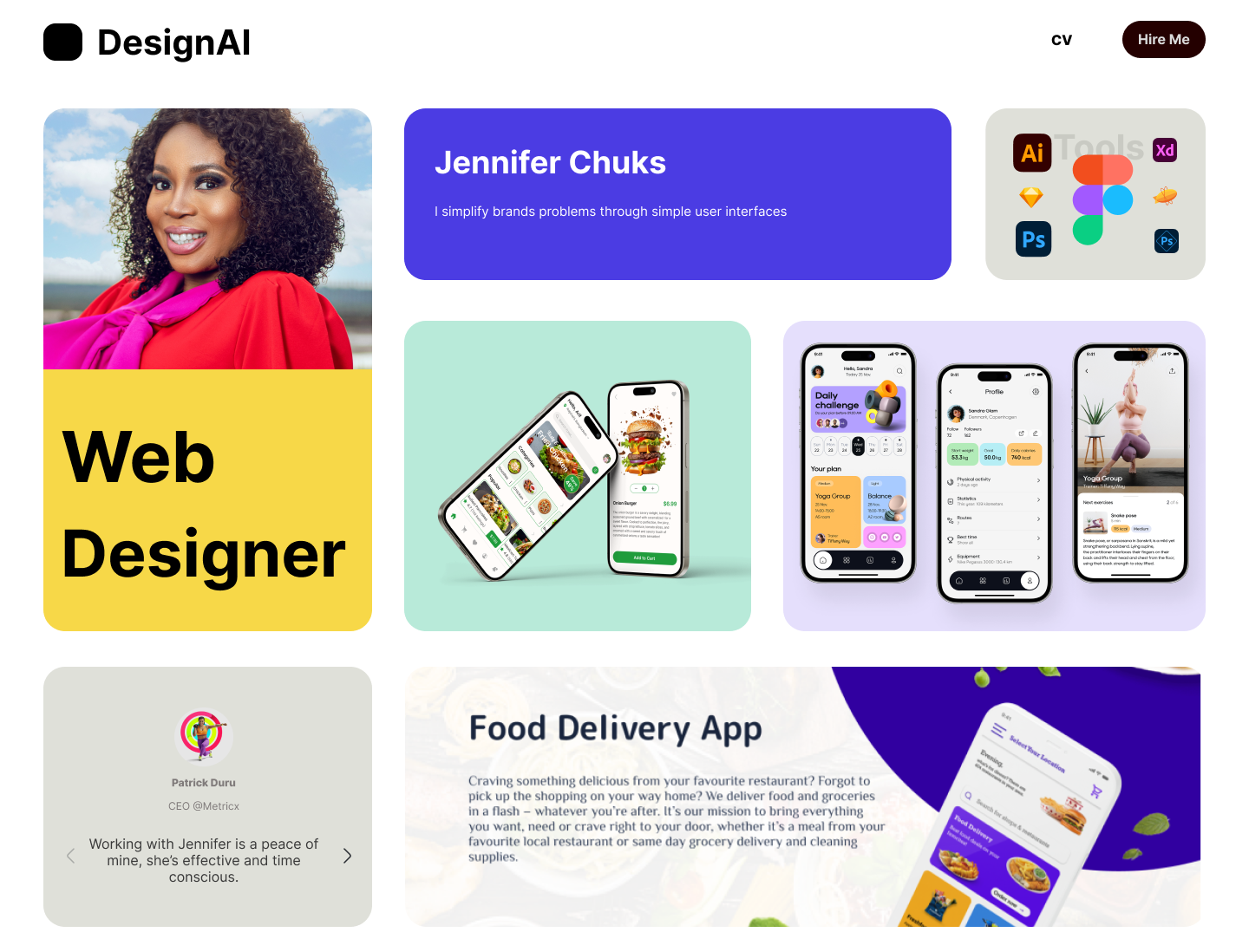
Bento grids, named after the compartmentalised lunchbox, organise content into clean, modular blocks that are easy to scan. Alongside them, more organic anti-grid layouts break the rigid column to feel less templated. Both give structure while allowing personality.
4. Bold and kinetic typography
Type is doing more of the heavy lifting. Large, viewport-scaled fonts act as the main visual element, which also cuts page weight compared to heavy images. Kinetic typography, text that moves on scroll or load, adds energy when it supports the message rather than distracting from it.
5. Variable fonts
Variable fonts let one font file cover many weights and styles, which improves flexibility and reduces load time. They pair well with the typography-led look of 2026, giving designers range without the performance cost of loading several fonts.
6. Motion and scroll-triggered animation
Motion design is now expected on professional sites. Scroll-triggered animations, smooth page transitions, and interactive data visualisations guide attention and make a site feel alive. The rule is purpose: motion should help users understand the page, not slow it down.
7. Bright dopamine colours and natural palettes
Two colour directions are running in parallel. Bright, saturated “dopamine” palettes, fuelled by Y2K nostalgia, bring energy and optimism. At the other end, muted, earthy “nature distilled” tones offer calm sophistication. Pick the one that fits your brand rather than following both.
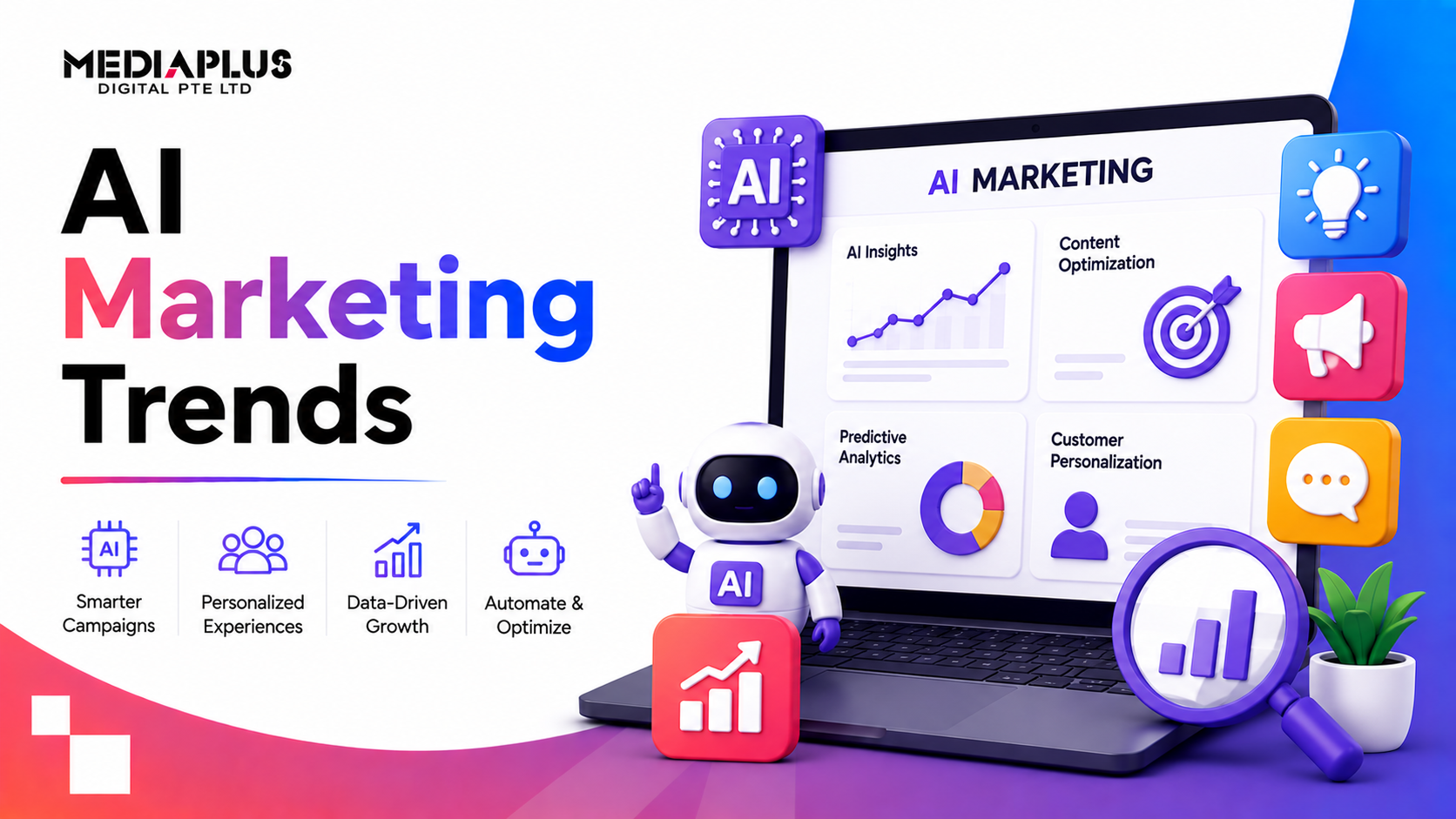
8. AI-powered personalisation
This is the biggest shift. AI now tailors pages to the individual, tracking behaviour like scroll speed and clicks to reorder content, swap images, or surface the right offer. Done well, it feels invisible and just makes the site more relevant. Done badly, it feels intrusive, so the balance matters.
9. AI chatbots as real assistants
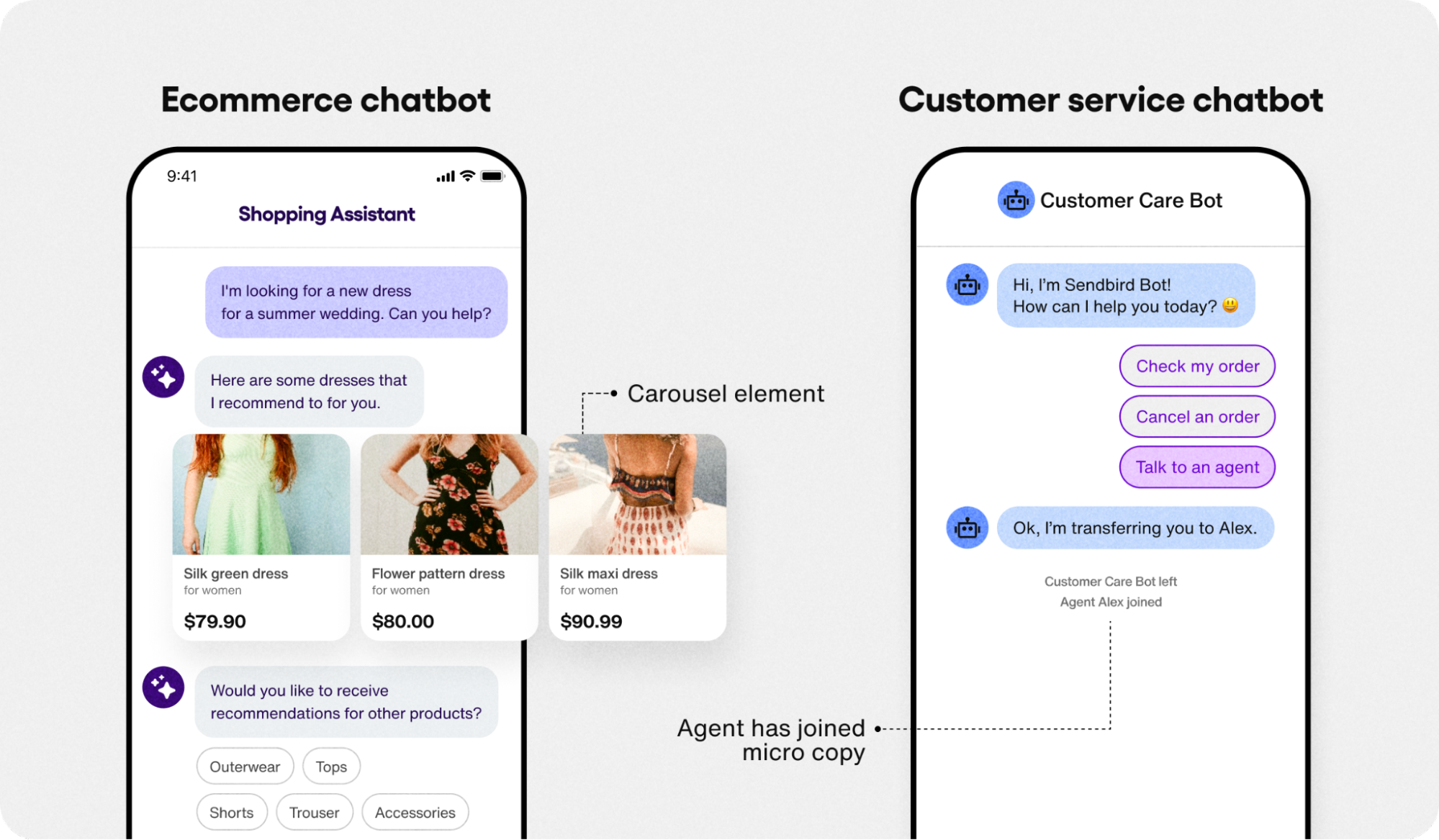
AI chatbots have grown from scripted pop-ups into genuine assistants that answer questions, guide users, and qualify leads in natural language. On a modern site, a helpful chatbot is now part of the design, not a bolt-on.
10. Lightweight 3D and immersive elements
WebGL, interactive 3D models, and subtle depth are more common, but the emphasis in 2026 is lightweight. Immersive elements that load fast and work on mobile beat heavy showpieces that stall the page. Depth is used to guide, not to show off.
11. Accessibility-first and sustainable design
Accessibility has moved from nice-to-have to standard: high-contrast palettes, screen reader support, keyboard navigation, and clear focus states. Alongside it, sustainable web design, meaning leaner code, optimised images, and efficient hosting, reduces both load time and carbon footprint. Both trends happen to make sites faster and reach more people.
Which web design trends actually matter for your business
Not every trend deserves your budget. Use this filter:
- Adopt the ones that improve speed, clarity, and trust. Accessibility, performance, clean layouts, and helpful chatbots almost always pay off.
- Use bold aesthetics with intent. Neo-brutalism, dopamine colour, and heavy motion can lift a brand or bury the message. Test before committing.
- Skip anything that slows the site. A heavy 3D scene that adds three seconds of load time will cost you more visitors than it wins.
- Match the trend to your audience. A law firm and a streetwear brand should not follow the same list.
The safest modern site in 2026 is fast, accessible, clearly written, and lightly styled to feel current, with one or two bolder choices that fit the brand.
Frequently asked questions
What is the biggest web design trend in 2026?
AI-powered personalisation is the biggest shift, with pages adapting to each visitor in real time. Bold typography, motion, and neo-brutalism are the most visible aesthetic trends.
Should my business follow every web design trend?
No. Adopt the trends that improve speed, clarity, trust, and accessibility, and skip the ones that only look fashionable or slow your site down. Match choices to your audience.
Is dark mode still a trend in 2026?
Yes. Many sites now design dark-first with a light toggle, since it reduces eye strain and makes bold colour and type stand out. Contrast and readability remain essential.
Do web design trends affect SEO?
Indirectly, yes. Trends that improve speed, mobile experience, and accessibility help rankings and conversions. Trends that add heavy code or hurt usability can work against you.
How often should I update my website design?
Most businesses benefit from a meaningful refresh every two to four years, with smaller updates in between, rather than chasing every new trend.
Final thoughts
The web design trends of 2026 point in a clear direction: sites that are personalised, fast, accessible, and confident in their branding. The winners will not be the ones that use every trend, but the ones that pick the few that fit their audience and skip the rest.
If you want a website that feels current without the bloat, our web design and development team can help, from a fresh build to a redesign. Tell us about your project and claim a free RM300 website review.