Keyword research is where good SEO starts. Pick the right keywords and everything else, content, rankings, and traffic, has a target to aim at. Pick the wrong ones and you can rank for terms nobody searches. This guide covers the best SEO tools for keyword research in 2026, free and paid, with real pricing and what each does best, so you can choose the right one for your budget.
What makes a keyword research tool good?
Before the list, the traits that matter:
- Accurate search volume and difficulty, so you target terms you can realistically rank for.
- Keyword ideas and questions, to find topics you would not think of alone.
- Local data, so you can see volumes for Malaysia, not just global or US numbers.
- Intent signals, to tell buyers from browsers.
- Value for money, since the best tool is the one you will actually use within budget.
Best SEO keyword research tools at a glance
|
Tool |
Type |
Price (2026) |
Best for |
|
Google Keyword Planner |
Free |
Free (Google Ads account) |
Volume and ad-focused ideas |
|
Google Search Console |
Free |
Free |
Keywords you already rank for |
|
Google Trends |
Free |
Free |
Trend and seasonality checks |
|
Google Autocomplete |
Free |
Free |
Quick real-search ideas |
|
AnswerThePublic |
Freemium |
Free, paid from about USD 11/mo |
Question-based keywords |
|
Keywords Everywhere |
Freemium |
Credits from about USD 5 |
Volume in your browser |
|
LowFruits |
Paid (credits) |
Pay as you go |
Low-competition keywords |
|
Ubersuggest |
Paid |
From about USD 29/mo |
Budget all-rounder |
|
Semrush |
Paid |
From about USD 139/mo |
Agencies and AI search visibility |
|
Ahrefs |
Paid |
Lite from about USD 108/mo |
Backlink and competitor research |
Prices are 2026 entry rates and change often. Check each provider for current pricing.
The best free SEO keyword research tools
Google Keyword Planner
Free with a Google Ads account, Keyword Planner gives search volume ranges and keyword ideas straight from Google. It is built for advertisers, so volumes are bucketed, but it is a solid, free starting point with real local data for Malaysia.

Google Search Console
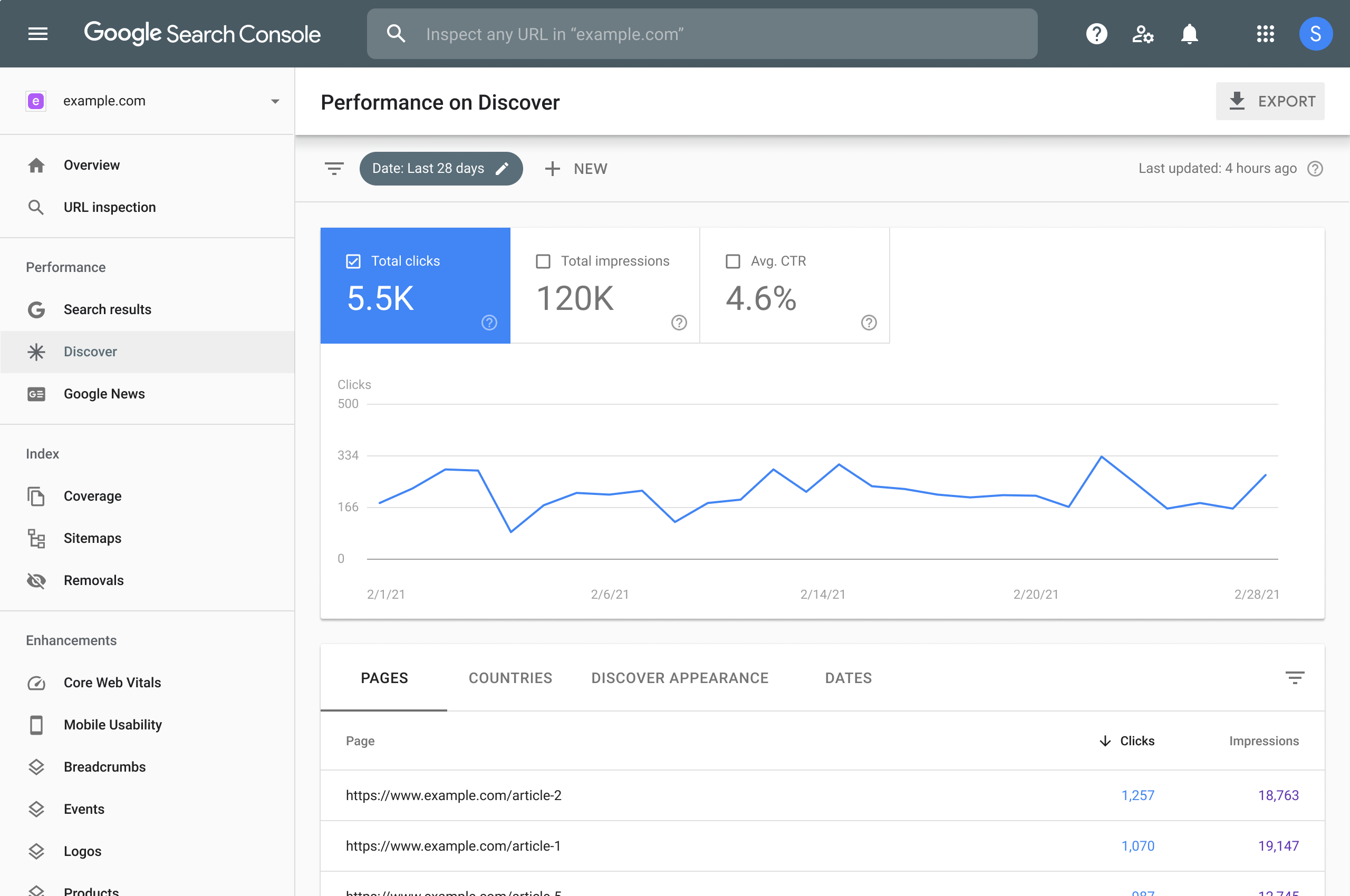
Free and often overlooked for keyword research. Search Console shows the exact queries already bringing people to your site, including ones you did not target. It is the best place to find quick wins: keywords where you rank on page two and could push to page one.
Google Trends
Free, and the best way to check whether a keyword is rising, falling, or seasonal, and to compare terms. Useful for timing content and spotting trends before they peak.
Google Autocomplete
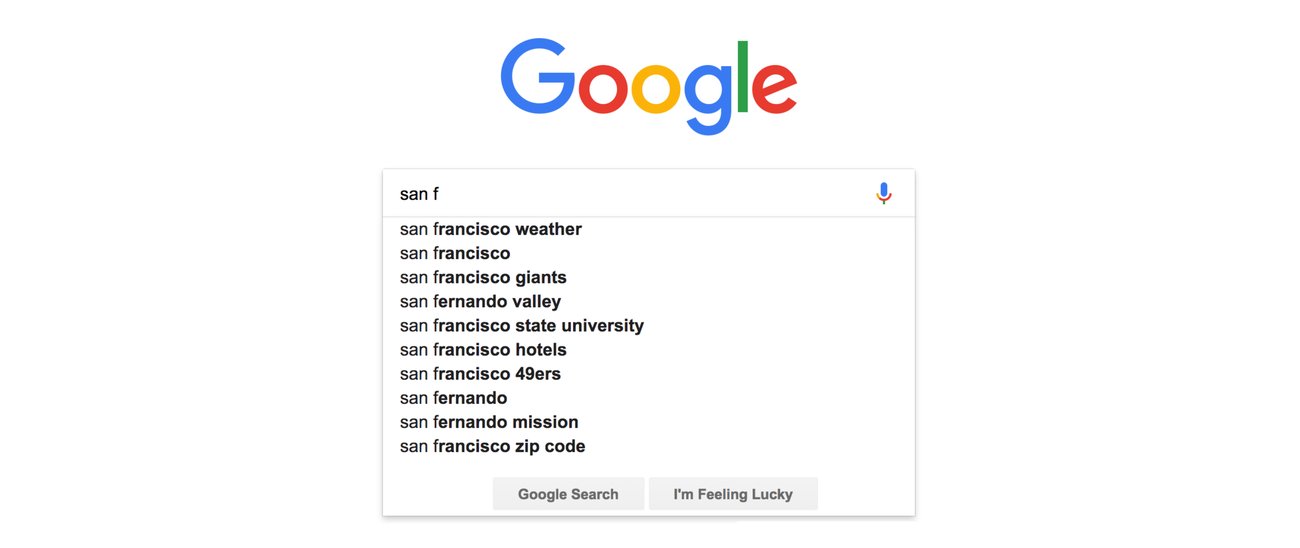
Not a formal tool, but typing a seed keyword into Google and reading the suggestions shows real searches people make. A fast, free way to find long-tail ideas and questions.
AnswerThePublic
Free for limited use, AnswerThePublic visualises the questions people ask around a topic. Great for content ideas and for the question-style queries that matter for AI search.
The best paid SEO keyword research tools
Keywords Everywhere
A low-cost browser extension that shows search volume and related terms as you browse Google and other sites. Credit-based and cheap, it is a favourite for quick checks without opening a full platform.

LowFruits
A pay-as-you-go tool built to find low-competition keywords that smaller sites can actually rank for. Useful for new sites and content-led SEO on a budget.
Ubersuggest
A budget-friendly all-rounder offering keyword ideas, volume, difficulty, and basic competitor data at a fraction of the big platforms. A reasonable middle ground for SMEs.
Semrush
A full SEO platform with a huge keyword database (around 27.9 billion keywords across 142 locations) and strong intent and difficulty data. Semrush now also tracks brand visibility across ChatGPT, Perplexity, and Google AI Overviews, which makes it a strong pick for agencies and anyone serious about AI search, though it is a bigger investment from around USD 139 a month.

Ahrefs
Another full platform, with an even larger keyword database (around 28.7 billion keywords across 217 locations) and clicks data that shows real traffic potential after SERP features. Ahrefs is best known for its backlink database, so if link building and competitor research are priorities, it earns its place. Lite starts around USD 108 a month.
Ahrefs vs Semrush: which should you choose?
Both are excellent, and for most users either works. The short version:
- Choose Semrush if you manage multiple clients, want AI search visibility alongside classic SEO, and prefer more tools in one subscription.
- Choose Ahrefs if backlink analysis and competitor research are your main focus, since its link data is hard to beat.
For a single small business, a free tool plus one affordable paid tool like Ubersuggest or Keywords Everywhere is usually enough. You only need Ahrefs or Semrush once SEO becomes a serious, ongoing investment.
Can AI tools replace keyword research tools?
Not yet, but they complement them. AI chatbots are great for brainstorming topics, clustering keywords, and drafting content briefs. What they lack is reliable search volume and difficulty data, which still comes from dedicated tools. The best workflow in 2026 pairs a keyword tool for the numbers with AI for the ideas and structure.
Which keyword research tool should you use?
- Just starting or no budget: Google Keyword Planner, Search Console, and Trends cover the basics for free.
- Small business, small budget: add Keywords Everywhere or Ubersuggest for volume and ideas.
- Content-led site chasing easy wins: LowFruits for low-competition keywords.
- Serious or agency-level SEO: Semrush or Ahrefs, chosen by whether you prioritise AI search or backlinks.
Frequently asked questions
What is the best free SEO keyword research tool?
Google Keyword Planner and Google Search Console are the best free options. Keyword Planner gives volume and ideas, while Search Console shows the keywords already bringing you traffic. Google Trends and Autocomplete add ideas and timing.
What is the best paid keyword research tool?
Semrush and Ahrefs are the leading paid platforms. Semrush suits agencies and AI search visibility, while Ahrefs is strongest for backlink and competitor research. Ubersuggest is a good budget option.
Do I need a paid tool for keyword research?
Not to start. Free Google tools cover the basics. A paid tool becomes worth it once you are producing content regularly and need accurate difficulty scores and deeper competitor data.
Can these tools show search volume for Malaysia?
Yes. Google Keyword Planner, Semrush, and Ahrefs all let you filter by country, so you can see Malaysian search volumes rather than global or US numbers.
Can AI replace keyword research tools?
Not fully. AI is excellent for topic ideas and clustering, but it does not provide reliable search volume or difficulty data. Use both together.
Final thoughts
The best SEO tool for keyword research is the one that fits your budget and that you will actually use. Start with the free Google tools, add an affordable paid option as you grow, and only move to Semrush or Ahrefs when SEO becomes a core investment. The tool matters less than doing the research consistently and acting on it.
If you would rather have the research and strategy handled for you, our SEO team does keyword research, content, and technical SEO as one service. Talk to MediaPlus Digital and claim a free RM300 SEO audit.