Search in 2026 moves quickly. New tools launch every few months, user behaviour keeps evolving, and AI systems are reshaping how people find information online. With so many changes happening at once, businesses in Malaysia need a clear picture of which SEO tools truly matter and how to use them in a practical, straightforward way.
The best SEO tools do far more than show search volume or keyword lists. They help you understand your audience, uncover realistic opportunities, create stronger content, analyse competitors, and identify technical issues before they impact your rankings. When used correctly, these tools give you a real advantage whether you are building a young startup, growing an SME, or managing a large enterprise site with complex requirements.
This guide breaks down the most useful SEO tools available today. Instead of giving you a long list with no explanation, we focus on what each tool does, when you should use it, and where it fits in a real SEO workflow. The goal is simple. Help you decide which tools deserve your time and how they can support predictable, long-term organic growth.
Later in the article, MediaPlus Digital will also link to deeper resources, including a full library of AI SEO tools you can explore once you understand the fundamentals.
Before choosing any tool, it is helpful to understand what SEO tools are actually built to solve. Many businesses subscribe to platforms without knowing what they are meant to do. In reality, almost every tool falls into a clear category and supports a specific part of growing your search traffic.
What SEO Tools Actually Do
1. Discover what people are searching for
Keyword research tools show you what your audience wants. They reveal real questions, long tail phrases, emerging trends, and the difficulty of ranking for each term. When used properly, keyword research removes guesswork and guides your content strategy with actual user demand.
2. Understand your competitors
Competitor analysis tools help you see which pages drive traffic for other brands, what keywords they dominate, and how strong their backlink profiles are. This gives you a realistic view of your market and shows where you can compete, improve, or differentiate your content.
3. Improve on-page content
Content optimisation tools compare your page with top-ranking competitors and highlight missing sections, structural gaps, readability issues, and topics you should cover. This helps you match search intent and produce content that has a real chance of ranking.
4. Fix technical problems
Technical SEO tools crawl your website and find issues that affect visibility. Slow pages, broken links, redirect chains, duplicate content, blocked resources, and missing tags can all cost you rankings. Catching these early is one of the easiest ways to stay ahead.
5. Track rankings and performance
Monitoring tools show your keyword movements, traffic trends, and page visibility over time. Tracking helps you understand whether your strategy is working and alerts you if competitors start gaining ground.
6. Automate repetitive work
Modern SEO tools use AI to automate time-consuming tasks such as brief creation, SERP scans, clustering, and reporting. This frees up time so marketers and SEO teams can focus on strategy instead of manual research.
Now that the foundation is clearer, the next section breaks down the best tools in each category and explains how to use them inside a real SEO workflow.

The Best SEO Tools in 2025
The SEO landscape is evolving quickly with AI search, new SERP layouts, and shifting ranking signals. Grouping tools by purpose helps you build a complete workflow without overspending. Below are the tools that consistently deliver results and when to use them, especially for businesses in Malaysia.
A more complete list of AI tools is available in our guide to the best AI SEO tools.
A. Keyword and Topic Research Tools
Keyword research sits at the core of every successful SEO strategy. Without understanding what people actually search for, it becomes easy to create content that misses the mark or targets keywords that will never bring meaningful traffic. Good keyword research tools help you uncover real opportunities, validate demand, understand search intent, and build content that matches what your audience wants. Below are the essential tools that give you reliable insights and help you avoid guesswork.
Google Keyword Planner
Google Keyword Planner is one of the most dependable sources of search volume data because it pulls directly from Google’s advertising database. Although designed for Google Ads, the data is still extremely useful for SEO. You can check search volumes, competition levels, bid values, and related keyword ideas.
This matters because keywords with higher cost-per-click often indicate strong commercial intent. For Malaysia markets where competition can be intense such as finance, insurance, and education this helps you understand which keywords are valuable enough to prioritise.
Best for: confirming search volume, estimating keyword value, and spotting commercial intent.

Google Autocomplete
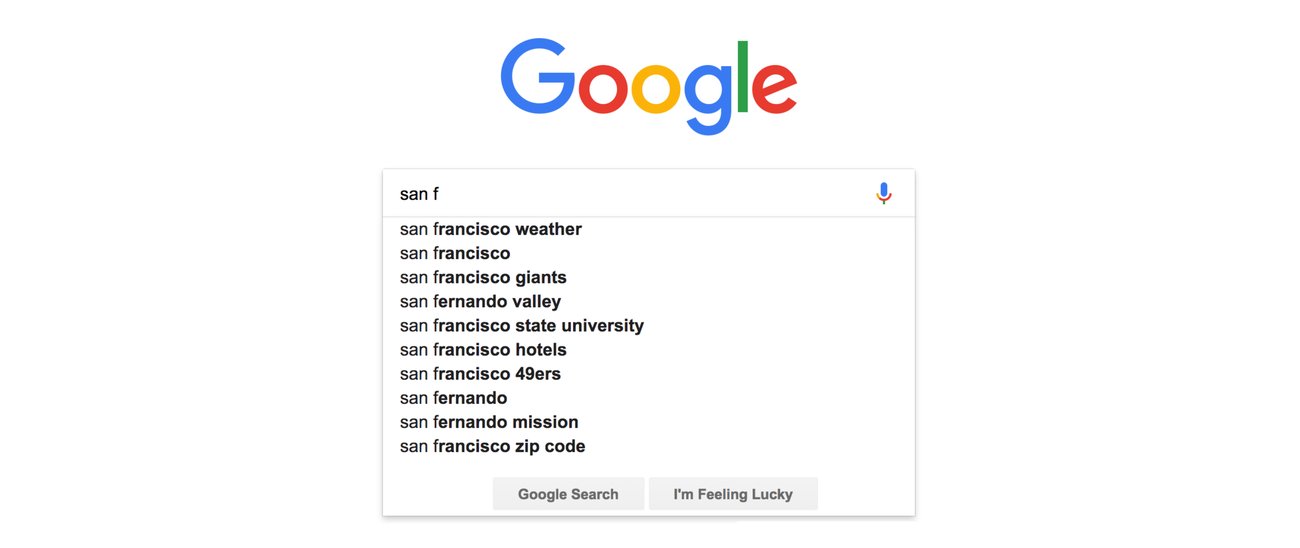
Google Autocomplete is simple but incredibly powerful. When you start typing a phrase into Google, the search bar automatically suggests related queries. These suggestions are based on real user activity and often reveal long-tail variations, question-based searches, and high-intent keywords that other tools might overlook.
It is especially useful for uncovering low-competition phrases that match what people type naturally. For businesses targeting local markets or niche services in Malaysia, this can open up quick-win ranking opportunities.
Best for: discovering long-tail keywords, identifying real search intent, and building topic ideas.
AlsoAsked
AlsoAsked expands the familiar People Also Ask (PAA) section from Google into a full visual map of related questions. It shows how users connect ideas and what follow-up questions they usually ask.
This helps you structure articles more effectively. Instead of guessing your H2s and H3s, you can build a content outline based on real-world question clusters. It is especially useful for service pages, guides, and FAQ sections where clarity and detail matter.
Best for: generating headings, crafting FAQ blocks, and building comprehensive topic clusters.

AnswerThePublic
AnswerThePublic pulls questions, comparisons, prepositions, and related phrases using data from Google and other search sources. It presents this information visually so you can see what your audience is curious about and how their questions are structured.
The tool is helpful for planning both short-form and long-form content. By addressing these questions directly, you reduce confusion in the customer journey and produce content that feels genuinely useful.
Best for: discovering the exact questions customers ask and generating content ideas that address user concerns.
Google Trends
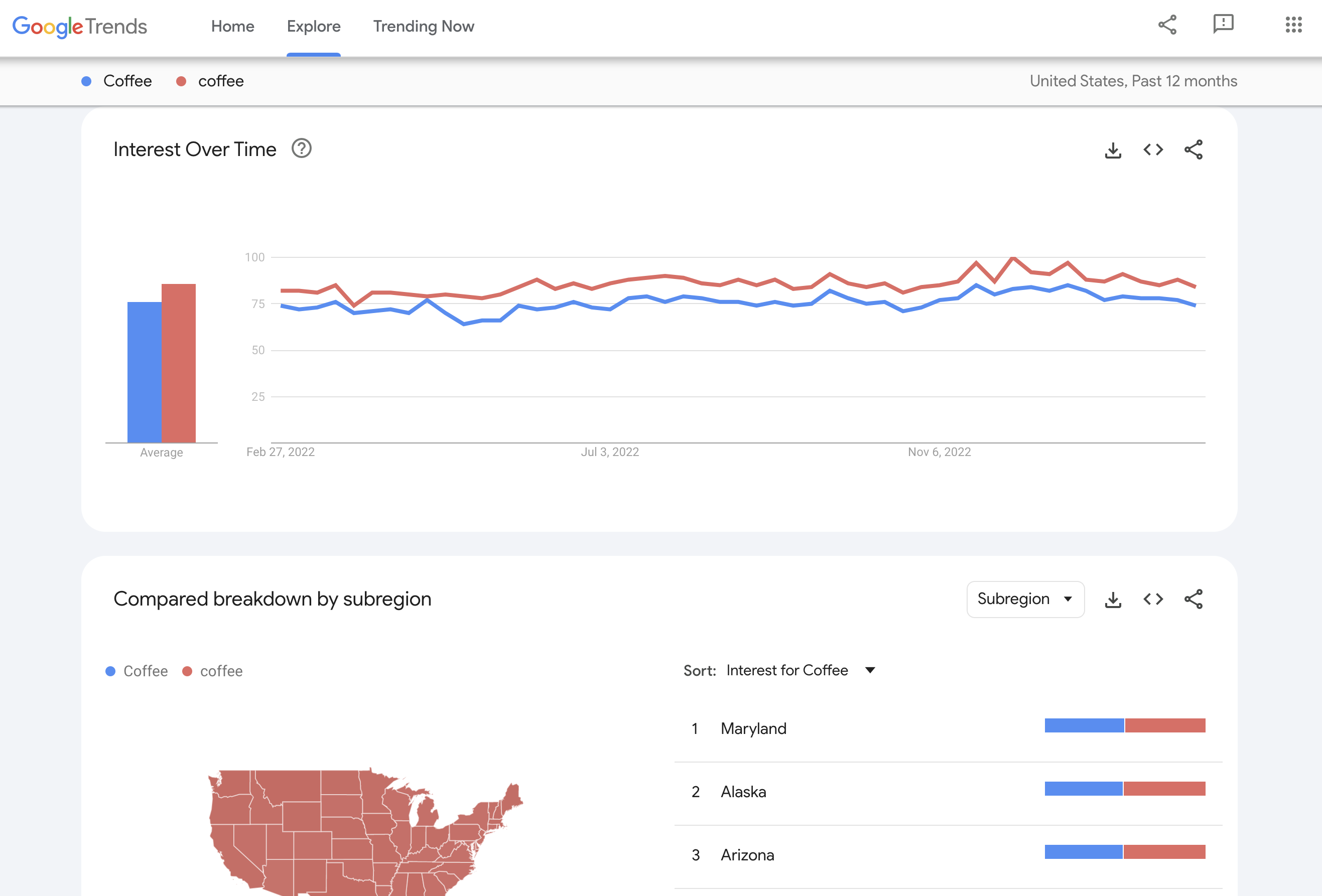
Google Trends lets you analyse interest over time for any keyword or topic. This is especially valuable for seasonal industries, time-sensitive trends, or markets where consumer interest changes quickly.
You can compare multiple keywords, filter by region (including Malaysia), and see whether a topic is rising or declining. This makes it easier to prioritise which topics deserve your attention right now and which ones are part of longer-term planning.
Best for: identifying trending topics, planning seasonal content, and comparing interest across multiple keyword ideas.
B. Competitor and Backlink Research Tools
Competitor analysis is one of the most valuable parts of SEO because it shows you what is already working in your market. Instead of guessing which keywords to target or which content to create, these tools reveal where competitors get their traffic, how strong their backlink profiles are, and which gaps you can take advantage of. With the right insights, you can build a strategy that is realistic, efficient, and grounded in actual data.
Ahrefs
Ahrefs is one of the most powerful platforms for understanding why competitors rank the way they do. Its backlink database is large and frequently updated, which makes it especially strong for link research. You can review which sites link to your competitors, what anchor text they use, and which pages attract the most links.
Ahrefs also offers detailed keyword and content analysis. The Content Gap feature shows you keywords that competitors rank for but you don’t, which helps you identify new opportunities quickly. For businesses in Malaysia where competition is tight in finance, education, real estate, and ecommerce these insights are particularly valuable.
Best for: checking backlink profiles, uncovering content gaps, and understanding how competitors build authority.
Semrush
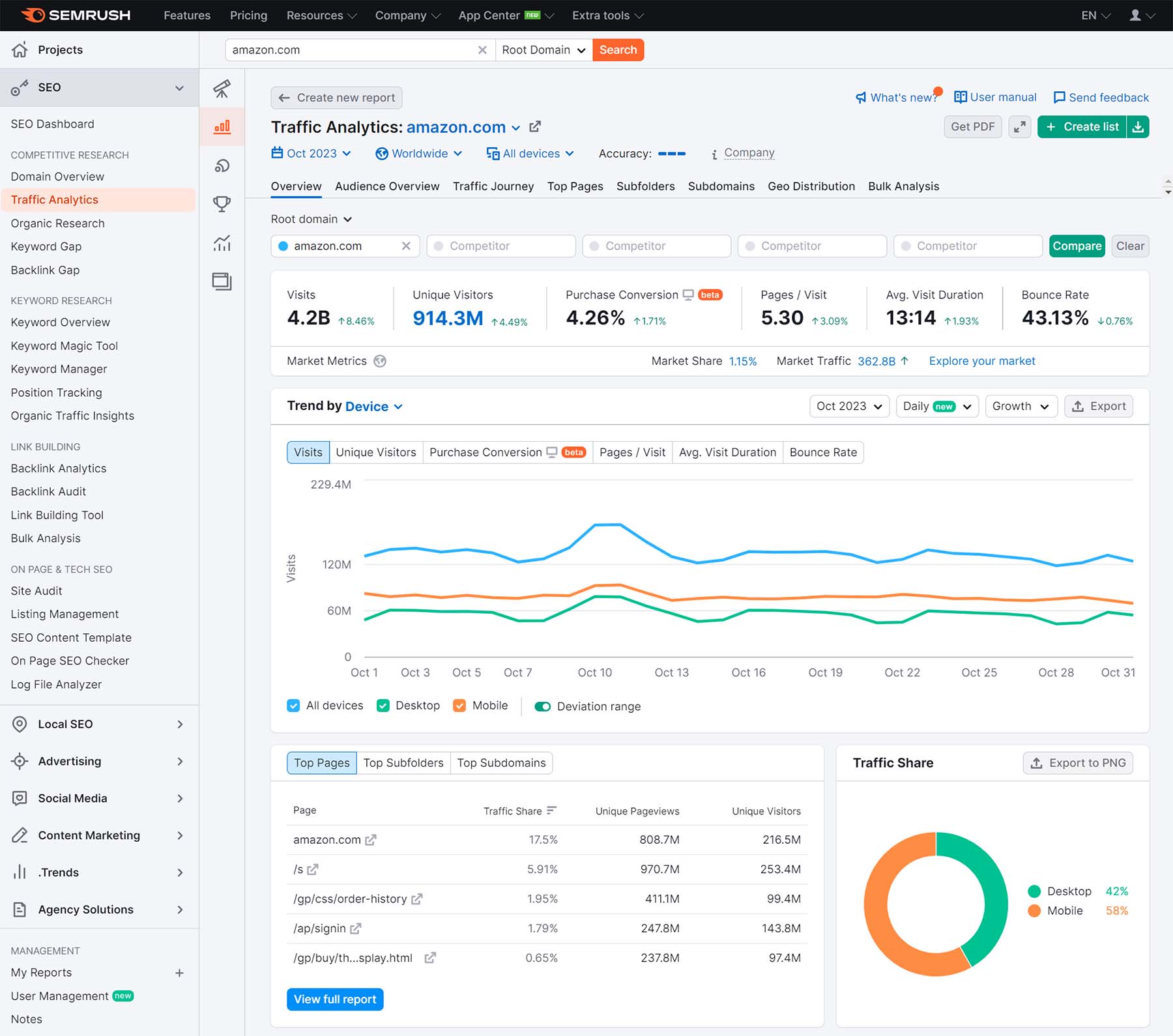
Semrush is a complete digital marketing suite that covers SEO, PPC, content, social media, and competitive intelligence. While Ahrefs excels in backlink analysis, Semrush shines as an all-in-one platform for both organic and paid insights. You can compare keyword rankings, monitor competitors’ landing pages, review paid ad strategies, and run technical audits in the same dashboard.
This makes Semrush ideal for teams that want a tool that brings everything together. Agencies, in-house marketing teams, and SMEs often choose Semrush when they need a single source of truth for SEO and PPC performance.
Best for: teams that want keyword research, site auditing, backlinks, and PPC analysis all in one place.
SimilarWeb
SimilarWeb provides high-level insights into competitor traffic, including estimated monthly visits, user demographics, top traffic sources, referral sites, and engagement metrics. While the numbers are estimates, the directional insights are extremely useful for understanding how competitors attract and retain visitors.
It is especially helpful when you want to understand market share or compare acquisition channels. For example, you can see whether a competitor relies heavily on paid ads, SEO, referral traffic, or social media. These insights help you identify opportunities to differentiate your strategy.
Best for: benchmarking competitor traffic and understanding acquisition channels across your industry.

ProductRank.ai
ProductRank.ai is a newer tool designed for the era of AI search. As AI assistants and LLMs become more involved in user behaviour, brands need to understand how they appear in conversational search responses. ProductRank.ai tracks visibility across generative engines and monitors how often your brand, products, or content appear in AI-generated answers.
This matters because AI search is changing the way people discover information. Instead of relying only on traditional SERPs, users increasingly get answers from tools powered by OpenAI, Google Gemini, Bing Copilot, and other LLM-based systems. Tracking your presence in these environments helps you stay ahead of this shift.
Best for: measuring visibility inside AI-powered search engines and conversational AI responses.

C. Content Optimisation Tools
Creating high-quality content is still one of the strongest ways to improve your rankings, but writing without data often leads to content that misses search intent or lacks the depth competitors already provide. Content optimisation tools bridge that gap. They analyse what currently ranks well, highlight the topics users expect, and give you a roadmap for building pages that stand out. These tools help you understand how to structure content, what to emphasise, and how to stay competitive in crowded SERPs.
Surfer
Surfer is one of the most widely used tools for on-page optimisation. It analyses the top-ranking pages for your target keyword and breaks down what makes them successful. You get recommendations on headings, word count ranges, related keywords, internal link ideas, and content structure.
Surfer’s content editor makes it easy for writers to work with clear guidelines rather than guessing what Google expects to see. It is especially helpful for building content briefs, optimising existing articles, or scaling content production across multiple writers or teams.
Best for: creating structured content briefs, improving on-page relevance, and aligning content with competitor benchmarks.
Clearscope
Clearscope is a premium content optimisation tool known for its clean interface and precise keyword coverage suggestions. It gives each piece of content a readability and relevance score, along with recommendations for semantic terms that top-ranking pages consistently use.
Editorial teams like Clearscope because it delivers consistency. Writers can follow the scoring system to ensure every article meets a high standard, no matter who created it. For brands that publish frequently or rely on multiple contributors, Clearscope helps maintain quality and depth at scale.
Best for: teams that want consistent editorial quality, strong coverage of target topics, and clear guidance for writers.

Claude (Anthropic)
Claude is an AI assistant that excels at refining drafts and improving clarity without altering your brand voice. It can clean up grammar, improve sentence flow, reduce repetition, and make your content sound more polished. It is especially handy for the final editing stage, where small improvements can make content more readable and more engaging.
Although Claude is not a replacement for human editors, it saves a significant amount of time on early revisions and helps writers maintain clarity across longer articles. It also works well for summarising competitor content, generating ideas for structure, or rewriting sections for better flow.
Best for: polishing drafts, refining tone and clarity, and speeding up editorial workflows.

D. Automation and Workflow Tools
As SEO becomes more complex and data-heavy, teams often spend a large portion of their time on repetitive tasks such as gathering data, checking competitor updates, creating briefs, or preparing reports. Automation tools help reduce that workload. These platforms combine AI with SEO data sources to speed up research, streamline execution, and allow your team to focus on strategy rather than manual work. When used correctly, automation improves consistency, reduces errors, and significantly shortens turnaround times.
Gumloop
Gumloop allows you to build custom AI workflows that connect SEO data sources with large language models. Instead of manually pulling data from multiple platforms, you can create automated pipelines for tasks such as keyword clustering, competitor content extraction, SERP analysis, outline creation, or recurring performance reports.
For growing teams or agencies that handle multiple clients, Gumloop helps standardise processes so all content briefs, audits, and reports follow the same structure. This leads to faster delivery and more predictable results.
Best for: automating research steps, running competitor checks at scale, generating content outlines, and setting up recurring automated reports.

AirOps
AirOps focuses on AI-driven content workflows that integrate directly with major CMS platforms. It is designed for teams that publish at scale, whether that means updating hundreds of product pages, managing large editorial calendars, or synchronising content across multiple websites.
With AirOps, teams can automate parts of the content creation process, update old pages in bulk, or connect structured datasets to content templates. This is especially useful for ecommerce, marketplaces, real estate sites, or any business with a large volume of dynamic pages.
Best for: scaling content production, updating pages in bulk, and integrating AI workflows directly into CMS systems for smoother publishing.

E. Technical SEO Tools
Technical stability is essential for long-term SEO performance. Even the best content cannot rank well if your website has crawling issues, broken links, or slow pages. These tools help you identify problems early, maintain a healthy site structure, and ensure search engines can access and understand your pages.
Google Search Console
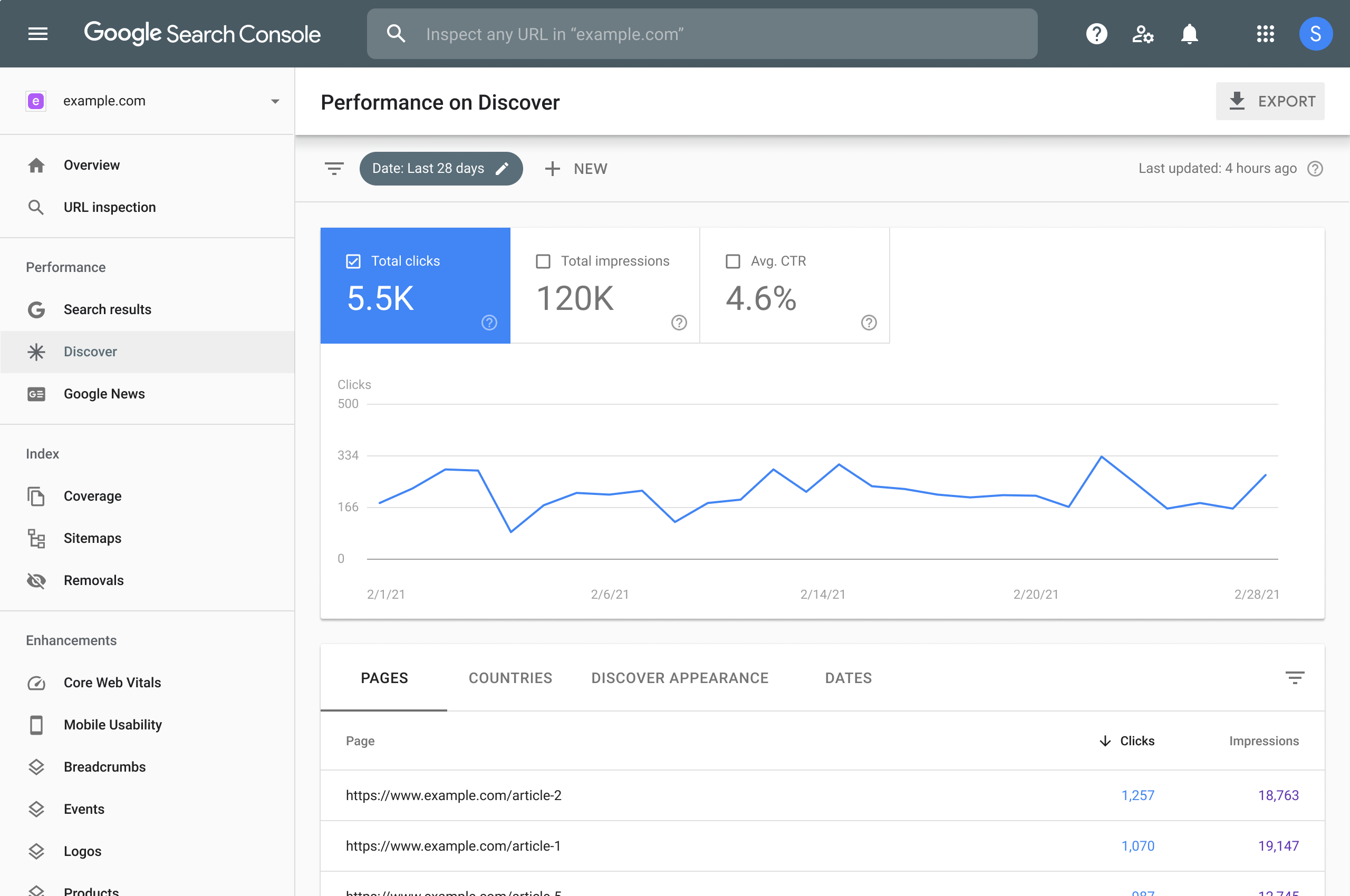
Google Search Console is the primary source of first-party SEO data. It shows how Google views and interacts with your website, including indexing status, search impressions, click performance, and technical errors. You can see which pages fail to index, which queries drive traffic, and where coverage issues might be blocking visibility. The platform also provides alerts for mobile usability problems and structured data errors.
Best for: ongoing performance monitoring, diagnosing indexing issues, and catching technical problems before they impact rankings.
Bing Webmaster Tools
Bing Webmaster Tools offers another layer of diagnostics and is increasingly relevant as AI-driven search becomes more prominent. Since many generative search engines use Bing’s index as part of their data pipeline, monitoring performance here gives you extra insight into how your site appears inside AI-powered search environments. The tool includes features like SEO scoring, keyword insights, crawl control, and malware checks.
Best for: secondary technical verification, uncovering additional crawling insights, and monitoring visibility in AI search ecosystems.
Screaming Frog
Screaming Frog is one of the most powerful crawlers available and is widely used by SEO professionals for deep technical audits. It scans your entire website and identifies issues such as broken links, redirect chains, duplicate meta tags, missing alt text, thin pages, slow-loading resources, and incorrect canonicals. For large or complex websites, Screaming Frog is essential for maintaining structural health and improving crawl efficiency.
Best for: complete technical audits, sitewide error detection, and preparing actionable fixes for developers.
F. Tracking, Analytics, and Reporting Tools
These tools help you measure real results, understand how users behave on your site, and keep stakeholders aligned with clear, consistent reporting. Good tracking is the backbone of any SEO strategy because it shows what is working, what needs improvement, and where to focus next.
Google Analytics 4
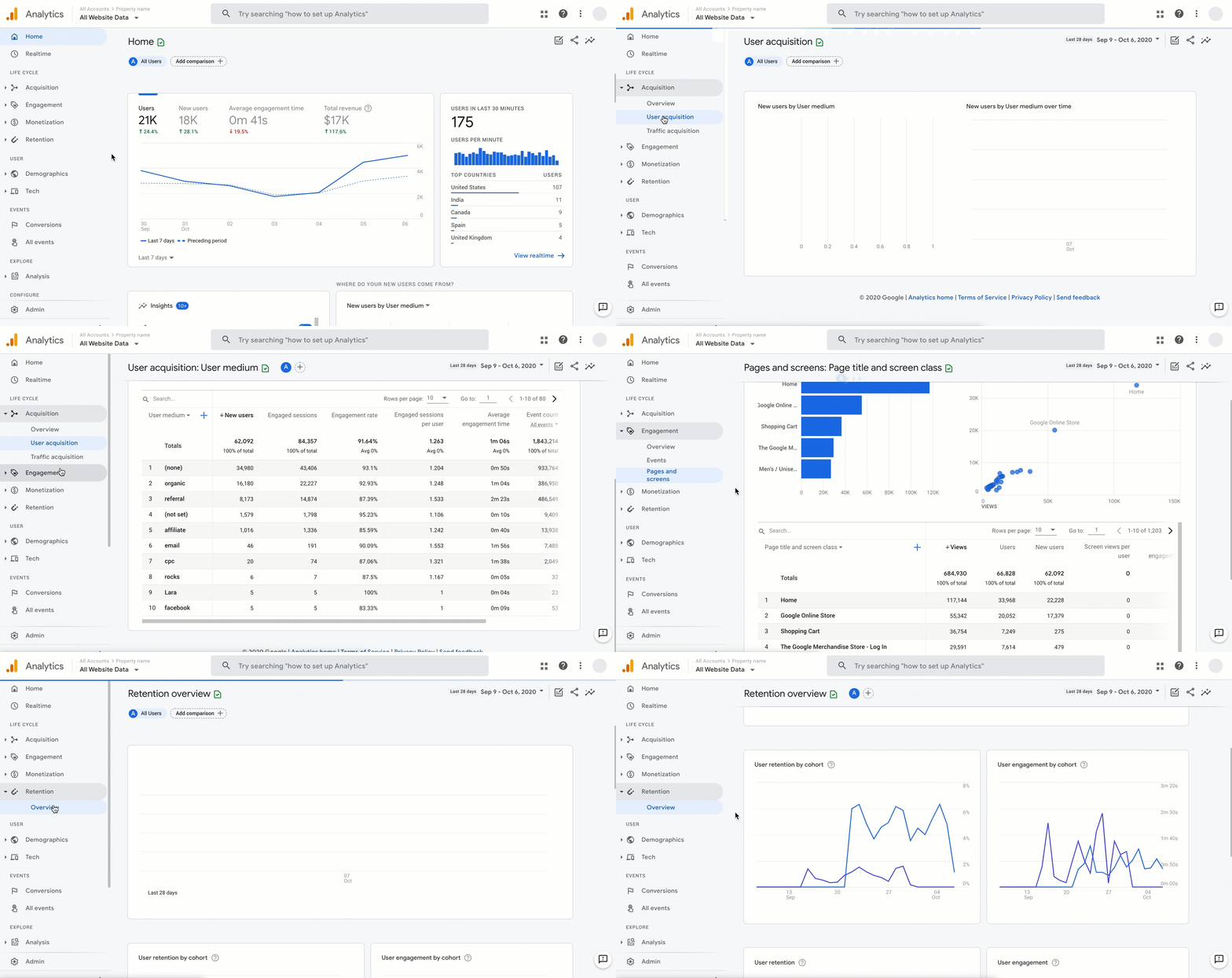
Google Analytics 4 provides a full picture of how people interact with your website. It tracks user behaviour, engagement patterns, conversions, traffic sources, and the journey users take before completing an action. GA4 is built around event-based tracking, which makes it easier to measure meaningful actions such as form submissions, purchases, button clicks, or lead interactions. When set up correctly, it helps you connect SEO wins to actual business outcomes rather than just rankings or traffic.
Best for: understanding user behaviour, tracking conversions, and proving how SEO contributes to revenue and lead generation.
Looker Studio
Looker Studio pulls data from multiple sources including GA4, Search Console, and rank trackers, and turns them into clean, automated dashboards. Instead of manually preparing reports every month, you can build visual dashboards that update in real time. This makes it much easier to share insights with internal teams or clients, highlight trends, and spot changes early. You can track keyword visibility, traffic shifts, content performance, and technical health in a single place.
Best for: automated reporting, consolidated performance dashboards, and making SEO insights easy to understand for stakeholders.

Conclusion
SEO tools help you understand your audience, spot opportunities, and fix issues before they hurt your visibility. When used correctly, the right tool stack gives you clearer insights, more predictable growth, and a stronger competitive position. But tools themselves are not the strategy. What matters is how consistently you apply the insights to build better content, improve technical health, and track real performance over time.
For businesses in Malaysia, SEO remains one of the most reliable long-term channels for growth. Whether you want to boost rankings, attract qualified leads, or strengthen your brand presence, choosing the right mix of tools is a solid first step. If you need guidance, support, or a full SEO plan tailored to your business, the team at MediaPlus Digital can help you build a strategy designed for measurable, sustainable results.
Learn more about how we can support your growth:
Whether you decide to manage SEO in-house or work with an agency, the goal stays the same. Create useful content, maintain a healthy website, and keep improving. Do that consistently and SEO will remain one of the most dependable growth engines for your business.