If you have ever wondered what is the website design, the short answer is this: website design is the process of planning, structuring, and creating the visual and interactive experience of a website so people can use it easily and confidently.
Website design goes far beyond making things look nice. It blends visual aesthetics, usability, accessibility, and performance to help users achieve a goal, whether that is reading content, booking a service, or making a purchase.
In today’s digital world, your website is often the first interaction people have with your brand. That makes website design one of the most important parts of your online presence.
What Is Website Design?
Website design refers to the front-end experience of a website. It focuses on how a website looks, feels, and behaves when users interact with it.
Website design includes:
-
Visual appearance such as colors, typography, and imagery
-
Layout and structure of content
-
Navigation and user flow
-
Responsiveness across devices
-
Accessibility for users of all abilities
Unlike website development, which focuses on code and functionality behind the scenes, website design focuses on what users see and experience.
A well-designed website feels intuitive. Users should not have to think about where to click or how to find information. Everything should feel obvious and easy.
Why Website Design Is Important
Good website design builds trust. Poor design creates friction.
Users form opinions about a website in seconds. If a site feels confusing, outdated, or hard to use, visitors leave. If it feels clear and professional, they stay longer and engage more.
Strong website design helps:
-
Improve user experience
-
Increase engagement and conversions
-
Build brand credibility
-
Support SEO and discoverability
-
Make content easier to understand
Website design is not decoration. It is strategy made visible.
Website Design vs Website Development
These two terms are often confused, but they are not the same.
Website design focuses on:
-
Layout
-
Visual hierarchy
-
User experience
-
Interaction patterns
Website development focuses on:
-
Coding
-
Databases
-
Performance logic
-
Backend systems
In practice, they work closely together. A successful website needs both strong design and solid development.
Core Elements of Website Design
1. Layout and Structure
Layout determines how information is organized on a page. A good layout helps users scan content quickly and understand what matters most.
Common layout goals include:
-
Clear hierarchy
-
Logical grouping of content
-
Consistent structure across pages
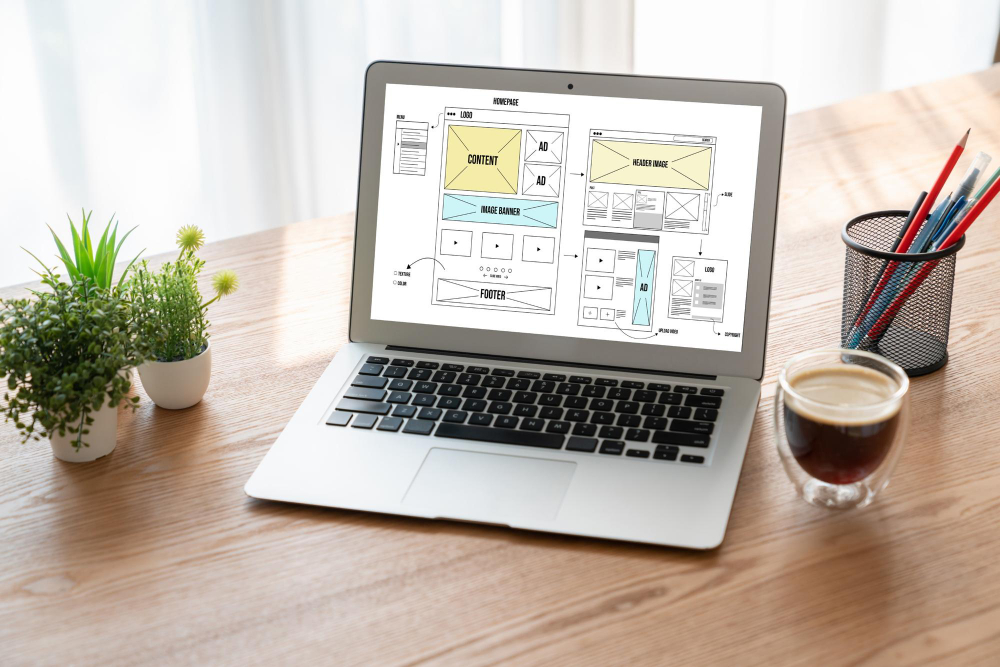
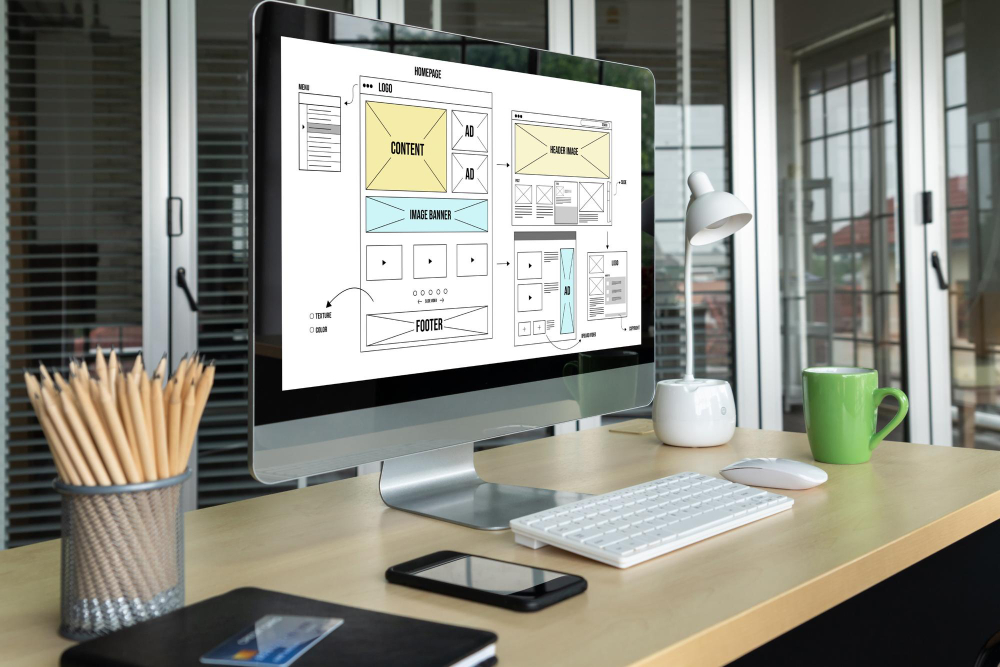
Wireframes are often used to plan layout before visual design begins.
2. Visual Design
Visual design includes color, typography, imagery, and spacing. These elements shape how a brand feels.
Good visual design:
-
Matches brand personality
-
Improves readability
-
Guides attention naturally
-
Avoids clutter
A clean design is usually more effective than a complex one.
3. Navigation
Navigation helps users move through a website.
Good navigation is:
-
Simple
-
Consistent
-
Easy to understand
-
Accessible on all devices
Menus, breadcrumbs, and internal links all contribute to better navigation.
4. User Experience (UX)
UX design focuses on how users interact with a website and how they feel while using it.
Strong UX design ensures a website is:
-
Useful
-
Usable
-
Findable
-
Credible
-
Accessible
-
Valuable
If users feel frustrated, UX has failed. If they feel confident and supported, UX is working.
Responsive vs Adaptive Website Design
Modern website design must work on phones, tablets, and desktops.
Responsive Web Design
Responsive design uses flexible layouts that adjust automatically to screen size. The same content adapts fluidly across devices.
Adaptive Web Design
Adaptive design serves different layouts depending on the device and context. Content may change based on bandwidth, screen size, or usage conditions.
Responsive design is more common today, but adaptive design can be useful for advanced, context-aware experiences.
Accessibility in Website Design
Accessibility means designing websites so everyone can use them, including people with disabilities.
Accessible website design includes:
-
Sufficient color contrast
-
Keyboard-friendly navigation
-
Clear headings and structure
-
Alt text for images
-
Readable typography
-
Captions and transcripts for media
Accessibility improves usability for all users and often boosts SEO at the same time.
Visual Components of Website Design
Key visual components include:
-
Header and footer
-
Color schemes
-
Typography
-
Backgrounds
-
Images and icons
-
Animation and motion
These elements should support the content, not compete with it. Motion and animation should guide attention, not distract from the message.
Website Design and SEO
Website design and SEO are closely connected.
Design decisions affect:
-
Page speed
-
Mobile usability
-
Content hierarchy
-
Crawlability
-
Accessibility
Search engines favor websites that load fast, work well on mobile, and provide a clear user experience. Good design helps achieve all of that.
Website Maintenance and Design Evolution
Website design is not a one-time task. Websites need regular updates to stay relevant, secure, and effective.
Ongoing design maintenance includes:
-
Updating content
-
Improving performance
-
Refreshing visuals
-
Fixing usability issues
-
Reviewing accessibility
A website that never evolves slowly loses effectiveness.
What Is the Website Design in Simple Terms?
If you strip it down to the basics, website design is about helping people get what they need without confusion.
A well-designed website:
-
Feels easy to use
-
Communicates clearly
-
Works on all devices
-
Respects user needs
-
Supports business goals
That is the real purpose of website design.
Final Thoughts
Understanding what is the website design means understanding how strategy, usability, and visuals come together to create meaningful digital experiences. This is the foundation any serious web design company should focus on when building websites that actually perform.
Website design is not just about looks. It is about trust, clarity, and usability. When done right, it quietly supports every interaction users have with your brand. That is the approach taken by MediaPlus Digital Malaysia when translating business goals into practical, user-friendly digital experiences.
A great website does not try to impress. It simply works exactly as users expect, and that is what long-term success online is built on.